

The Impact of the 2026 U.S. Midterm Elections on Trump’s Policy Towards Taiwan and China


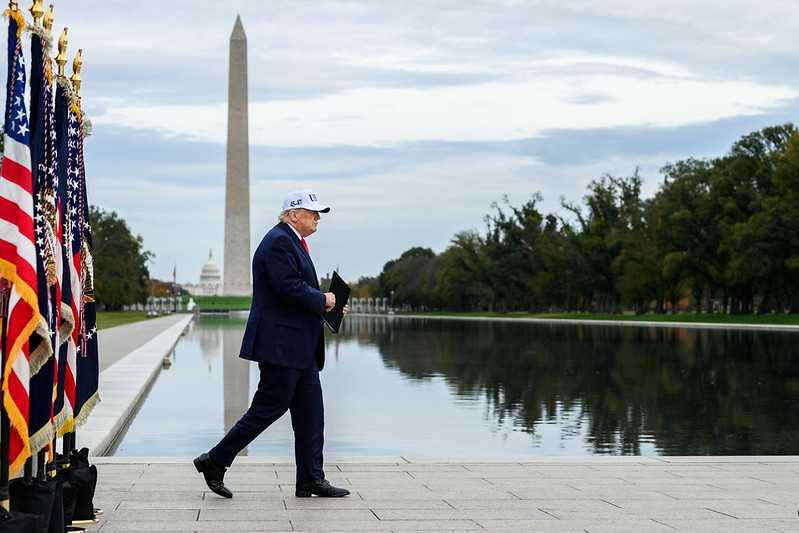
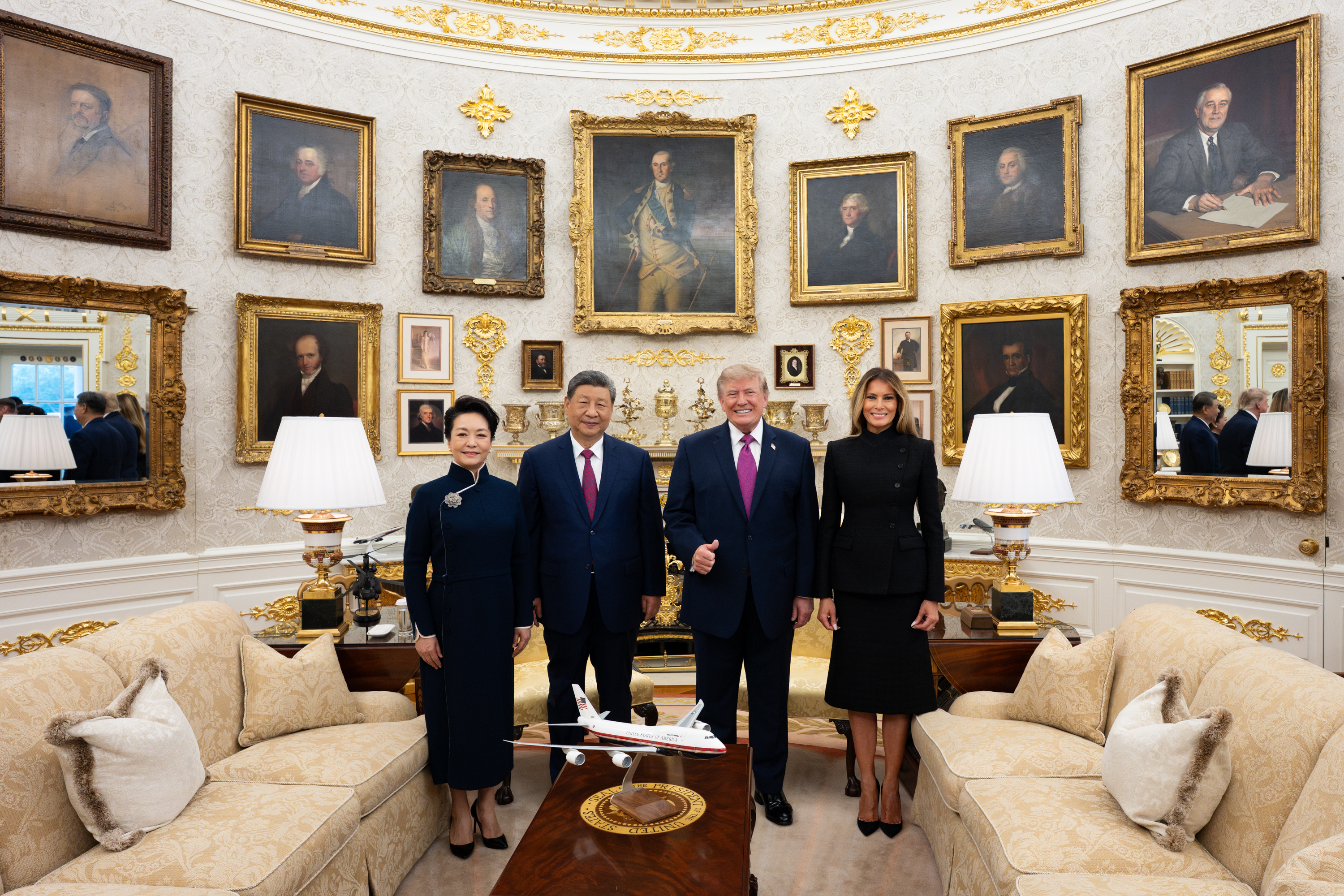
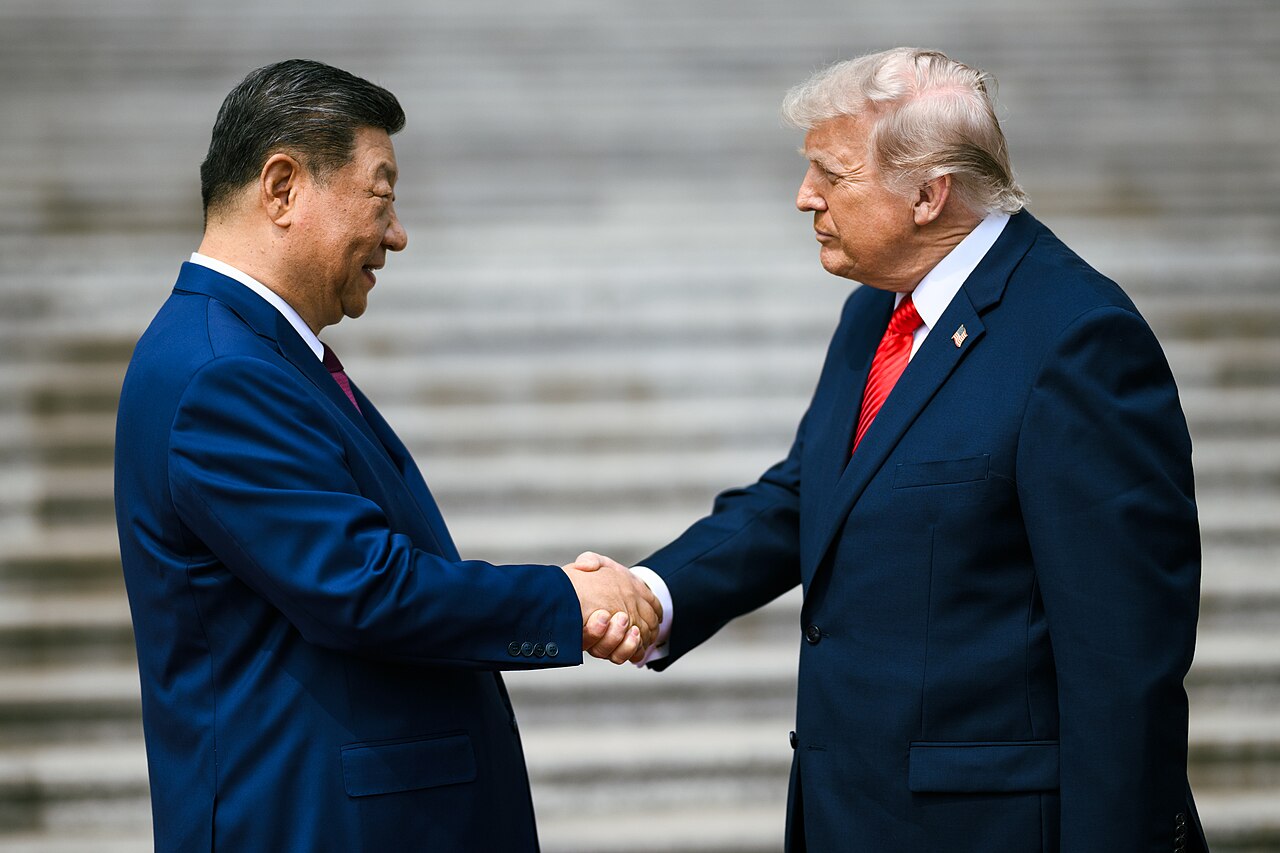
The midterm elections are more likely to change the political constraints surrounding Trump’s China policy than its fundamental direction. For Taiwan, however, the consequences could be more significant: congressional pressure may help preserve a degree of continuity in American security commitments even when presidential diplomacy introduces uncertainty. Picture source: The White House, November 3, 2026, flickr, https://www.flickr.com/photos/whitehouse/55630671128.
Prospects & Perspectives No. 62
The Impact of the 2026 U.S. Midterm Elections on Trump’s Policy Towards Taiwan and China
By Gerrit van der Wees
The 2026 U.S. midterm elections could prove to be an important turning point in American foreign policy, particularly in relations with China and Taiwan. The elections have taken place against a background of growing strategic competition between Washington and Beijing, continuing tensions across the Taiwan Strait, and uncertainty about President Donald Trump’s commitment to the U.S.’ traditional role in maintaining security in the Indo-Pacific.
The election results have significantly changed the political balance in Washington. The Democratic Party has won control of both the House of Representatives and the Senate, representing a substantial setback for Trump and the Republican Party. This outcome will have important implications for his ability to conduct foreign policy during the remaining two years of his presidency.
For Taiwan, the central question is whether the election results will encourage Congress to take a more assertive position in support of Taipei, particularly if Trump’s personal diplomacy with CCP General Secretary Xi Jinping continues to create uncertainty about American security commitments. For Beijing, the question is whether a Democratic-controlled Congress will make it more difficult for Trump to pursue his preferred approach of combining economic pressure and strategic competition with personal engagement and negotiations with Xi.
The elections are unlikely to produce an immediate reversal of American policy towards China. However, they could considerably narrow Trump’s room for maneuver, especially on Taiwan, military assistance, trade policy and relations with the U.S.’ Asian allies.
A new political constraint on Trump’s foreign policy
The most immediate consequence of the Democratic victory is the emergence of divided government. Beginning in January 2027, Democrats will control both chambers of Congress. This will give them considerable influence over congressional committees, legislative priorities, government spending and oversight of the administration.
Although the president retains substantial constitutional authority over foreign policy, Congress has important responsibilities in determining defense appropriations, approving arms-sales-related legislation, overseeing international agreements and scrutinizing the administration's diplomatic and security policies.
This distinction is particularly important in Trump’s case. His approach to foreign policy relies heavily on presidential discretion, direct negotiations and personal relationships with foreign leaders. His relationship with Xi is a particularly clear example. Trump has repeatedly suggested that a personal understanding between the two leaders could help resolve disagreements that have traditionally been addressed through broader diplomatic and security frameworks.
A Democratic-controlled Congress could challenge this approach by demanding greater transparency about negotiations with Beijing and closer scrutiny of agreements involving Taiwan, trade and technology. It could also use congressional hearings to question whether the administration is making concessions to China without obtaining meaningful commitments in return.
Taiwan: Congressional pressure to maintain American support
Taiwan is likely to become one of the most sensitive issues in the relationship between the White House and the new Congress.
For decades, American policy towards Taiwan has rested on a carefully maintained balance. Washington recognizes the People’s Republic of China as the government of China, maintains unofficial relations with Taiwan, and supports Taiwan’s ability to defend itself. The Taiwan Relations Act of 1979 commits the United States to making defensive weapons available to Taiwan and maintaining the capacity to resist coercion against the island-nation.
Trump’s second administration has introduced additional uncertainty into this arrangement. His statements about Taiwan have sometimes suggested that he views the island-nation primarily through the lens of economic competition and negotiations with Beijing, rather than as a central component of the U.S.’ regional security strategy.
Two developments in 2026 illustrate this concern.
First, Trump has repeatedly criticized Taiwan over its semiconductor industry, arguing that Taiwan benefited at the U.S.’ expense. Second, following his May 2026 summit with Xi in Beijing, Trump announced that he was holding a proposed US$14 billion arms sales package for Taiwan in abeyance, describing the sale as a “bargaining chip.” This followed an US$11.1 billion arms package announced in December 2025.
These developments have raised questions in Taipei about whether Washington’s commitment to Taiwan could become dependent on Trump's negotiations with Beijing.
A Democratic-controlled Congress could respond in several ways:
- Increased congressional scrutiny: Democratic lawmakers could organize hearings examining the administration’s handling of arms sales and its discussions with Beijing concerning Taiwan.
- Pressure to accelerate arms deliveries: Congress could press the administration to implement existing defense commitments and avoid allowing arms transfers to become bargaining instruments in negotiations with China.
- Stronger bipartisan support for Taiwan: Although differences exist between Democrats and Republicans over how to approach China, there remains a substantial bipartisan constituency in Congress that regards Taiwan’s security as an important American strategic interest.
- Closer cooperation with regional partners: Congress could encourage stronger security coordination with Japan, Australia and other Indo-Pacific partners to reinforce deterrence against possible Chinese military action.
There are, however, important limitations. Congress cannot easily dictate every presidential decision concerning diplomatic negotiations or arms transfers. Nevertheless, the election creates an institutional counterweight to Trump’s more personalized approach to Taiwan. The possibility of congressional resistance could make it politically more difficult for the president to substantially weaken American support for Taipei without facing opposition from Capitol Hill.
China: Competition will continue, despite Trump’s preference for engagement
The election results are also likely to influence the broader American approach to China.
One of the defining characteristics of Trump’s China policy is its apparent contradiction. On the one hand, he regards China as the U.S.’ principal economic and strategic competitor. His administration has pursued tariffs, restrictions on sensitive technologies and measures intended to reduce American dependence on Chinese supply chains. On the other hand, Trump has shown considerable interest in establishing a personal relationship with Xi and negotiating agreements that could improve bilateral economic relations.
This combination of strategic competition and presidential diplomacy is unlikely to disappear following the midterms.
However, the new Congress may seek to make American policy towards China more consistent and less dependent on the president’s personal relationship with Xi. Three areas deserve particular attention.
Trade and tariffs: Democrats may challenge the administration’s use of tariffs, particularly where these measures increase costs for American consumers and businesses. At the same time, there is no reason to assume that a Democratic Congress will support a general relaxation of trade restrictions against China. Concerns about unfair trade practices, industrial subsidies and economic dependence on Chinese manufacturing extend across party lines.
Technology and artificial intelligence: Restrictions on China’s access to advanced semiconductors, artificial intelligence technologies and other strategically important products are likely to remain important elements of American policy. The competition with China in these fields has become a national security issue rather than simply a trade dispute. The Chicago Council on Global Affairs identifies artificial intelligence as one of the central tests of the next Congress’s approach to Beijing.
Military and regional security: Congressional Democrats may seek greater oversight of American defense spending and military commitments in the Indo-Pacific. They could also press the administration to maintain close security relationships with Japan, South Korea, Australia and the Philippines.
An important distinction should nevertheless be made: opposing Trump’s approach to China does not necessarily mean opposing competition with China. Many Democrats share Republican concerns about Beijing’s military ambitions, technological development and regional influence. The disagreement may concern the methods, priorities and diplomatic framework through which American policy should be pursued.
Consequently, Beijing should not interpret the Democratic victory as an automatic opportunity to obtain a more favorable American policy. A new Congress could, in fact, reinforce certain aspects of the strategic competition with China, even while questioning Trump’s willingness to make concessions to Xi.
The implications for Beijing and cross-Strait relations
For Beijing, the election results present a complicated political situation.
Xi has invested considerable diplomatic effort in developing a working relationship with Trump, apparently hoping that direct negotiations with the American president could produce agreements on trade, technology and Taiwan. Trump’s willingness to discuss Taiwan in the context of broader negotiations could be particularly attractive to Beijing.
However, the Democratic victory introduces another centre of political influence in Washington. Chinese leaders will have to consider not only Trump’s personal preferences but also the possibility that Congress will resist agreements perceived as compromising Taiwan's security.
This could make negotiations between Washington and Beijing more complicated. It could also encourage Beijing to pursue a two-track strategy: maintaining direct diplomatic engagement with Trump while attempting to avoid provoking a stronger bipartisan congressional response.
The most important uncertainty concerns Taiwan itself. If Beijing concludes that Trump’s commitment to Taiwan is negotiable, it might perceive an opportunity to increase diplomatic, economic or military pressure on Taipei. Conversely, if Congress responds by reinforcing American support for Taiwan, Beijing could become more cautious about testing Washington's resolve.
Neither outcome is inevitable. Much will depend on the interaction between Trump’s diplomacy, congressional oversight and China’s own calculations about the risks of military confrontation.
Conclusion
The midterm elections are more likely to change the political constraints surrounding Trump’s China policy than its fundamental direction. For Taiwan, however, the consequences could be more significant: congressional pressure may help preserve a degree of continuity in American security commitments even when presidential diplomacy introduces uncertainty. The next two years will therefore be an important test of the durability of the American commitment to Taiwan and of the ability of U.S. institutions to maintain a coherent China policy.
(Gerrit van der Wees is an Adjunct Faculty member in the Department of History and Art History at George Mason University. A former Dutch diplomat.)
Related Content
President Trump’s Foreign Policy Dilemma After the Midterm Elections
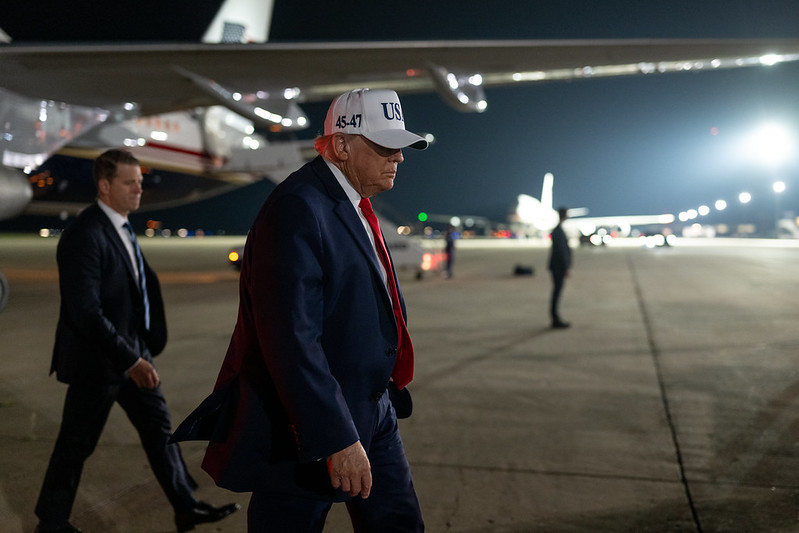
Trump-Xi Summit and the Security Situation in the Taiwan Strait
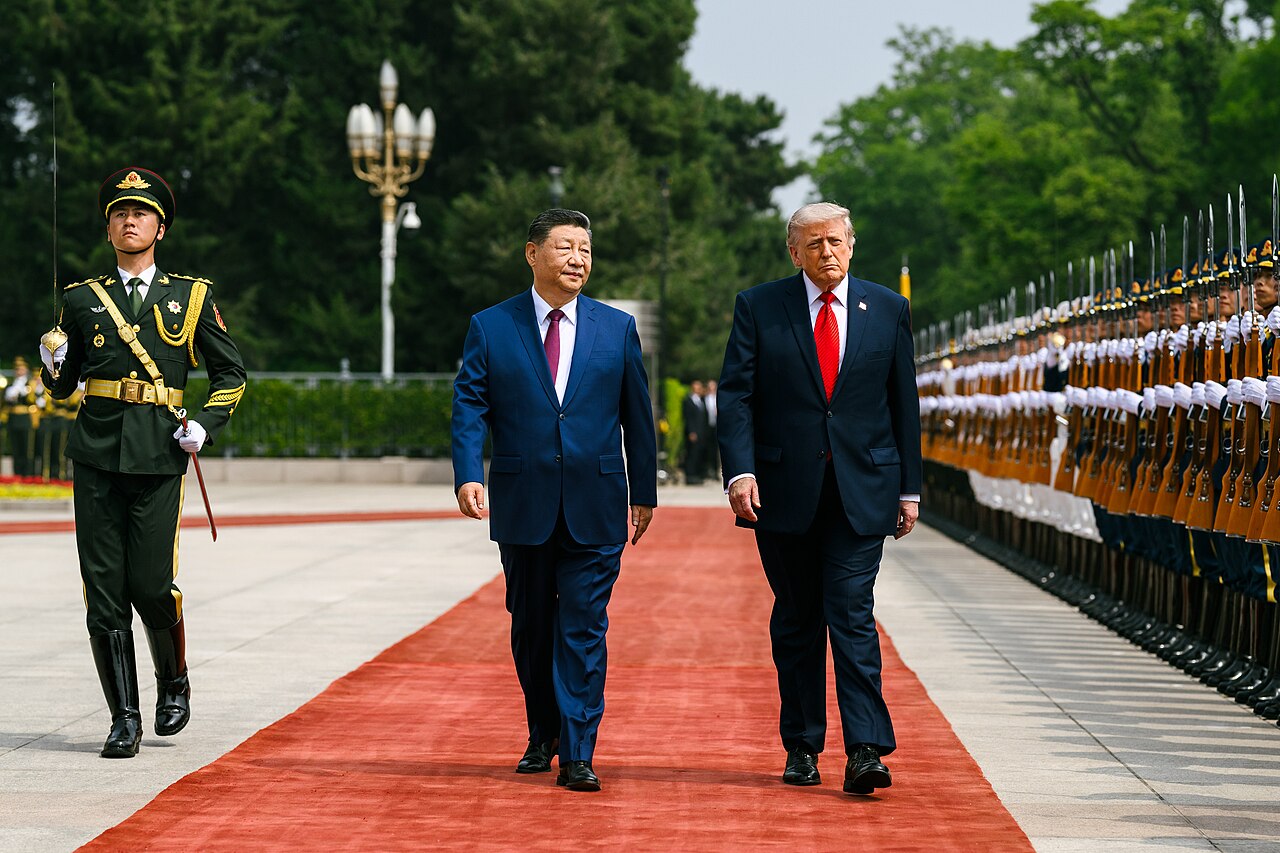
The New U.S.-China Paradigm Will Constrain but Not Collapse the U.S.-Taiwan Relationship
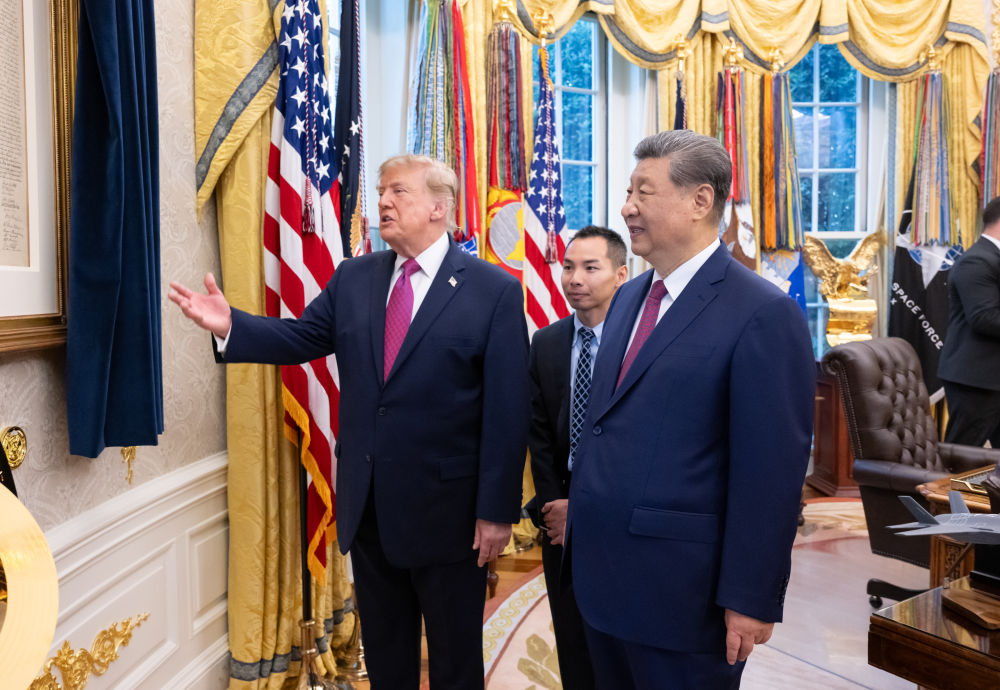
After Two Trump-Xi Summits: Competing Within Limits
Second Thomas Shoal Redux and Beijing’s Strategic Limitations

Reading Korea’s Early Autumn Winds: Trump Abruptly Scales Down a Major Joint Exercise
Washington Reassures (and Worries) Taiwan
The G7 Leaders’ Summit in France: An Unexpected Success
The Trump-Xi Summit: What It Was Not is More Important than What It Was
What Does the U.S. War Against Iran Mean for the Indo-Pacific?
Implications of the U.S. Tariff Policy on Global Economics and Taiwan’s Response
The Indo-Pacific and the U.S. National Defense Strategy: From Rebalancing to Retrenchment
 Facebook
 Youtube
 Twitter