

Re-Establishing Deterrence in Taiwan’s Maritime Periphery Following the China-Indonesia Naval Exercise


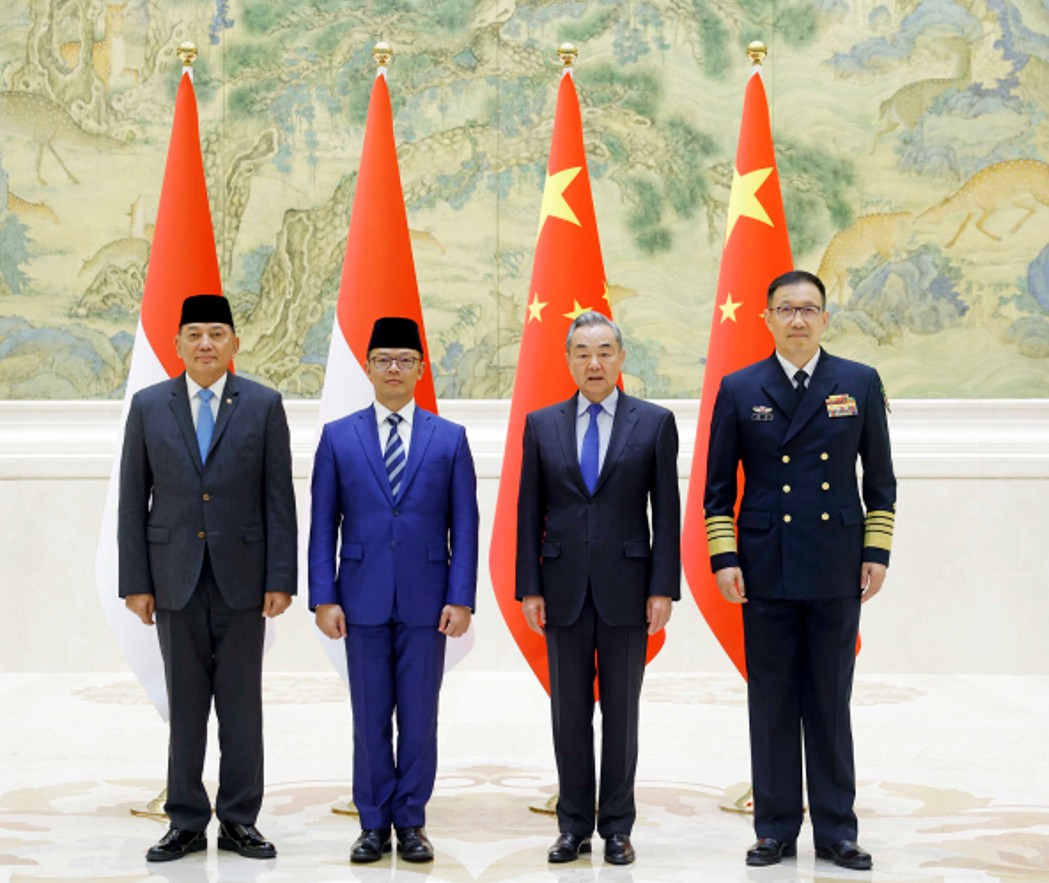
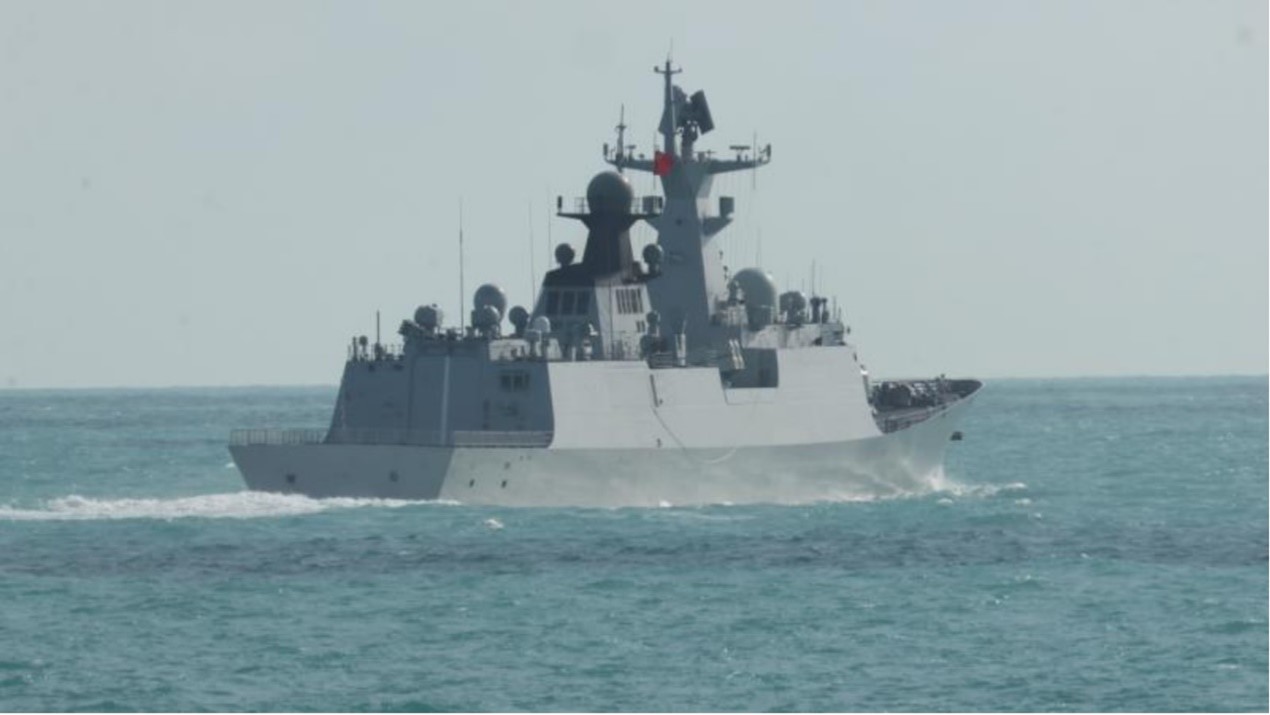
On August 12, 2026, China and Indonesia conducted joint navy exercises in waters 70 to 80 nautical miles east of Taiwan in disputed waters. This marks the first time a multinational military exercise has taken place in the contested maritime region within Taiwan’s exclusive economic zone (EEZ) and a clear escalation of China’s maritime operations east of Taiwan intended to coerce authorities in Taipei. Picture source: PRC MOFA, April 21, 2025, https://cg.china-embassy.gov.cn/zgyw/202504/t20250421_11599203.htm.
Prospects & Perspectives No. 50
Re-Establishing Deterrence in Taiwan’s Maritime Periphery Following the China-Indonesia Naval Exercise
By Drew Thompson
On August 12, 2026, China and Indonesia conducted joint navy exercises in waters 70 to 80 nautical miles (130-140 kilometers) east of Taiwan in disputed waters. This marks the first time a multinational military exercise has taken place in the contested maritime region within Taiwan’s exclusive economic zone (EEZ) and a clear escalation of China’s maritime operations east of Taiwan intended to coerce authorities in Taipei.
The naval exercise with Indonesia follows months of expanding operations by vessels from the China Coast Guard (CCG), the People’s Liberation Army Navy (PLAN) and government-directed civilian research vessels. The escalating People’s Republic of China (PRC) naval activities and unprecedented China-Indonesia naval exercise which took place at the end of Taiwan’s annual Han Kuang military exercises represents a failure of both hard and soft deterrence. To better ensure its security into future, the Taiwanese government needs to overcome domestic political challenges and re-establish deterrence by bolstering diplomatic engagement and investing more in credible defense capabilities that increase risks to Chinese military operations and third countries that might enable China’s coercion.
Indonesia decided to conduct a naval exercise with China off Taiwan’s coast without consideration for Taiwan’s interests because there was no risk or disincentive to do so. Taiwan is the leading manufacturer of advanced semiconductors, has US$11 billion in bilateral trade with Indonesia and billions in foreign direct investment, has shared democratic values, and is home to over 350,000 hard-working Indonesian migrants in Taiwan who send millions home in remittances. Yet Jakarta disregarded Taiwan’s interests.
New strategies needed
Taiwan does not and should never use trade, technology or foreign nationals resident in its territory for coercive political leverage like China does. That leaves diplomacy as the best means, but Taiwan’s diplomats clearly lacked access to Indonesian decision-makers, and possibly lacked foresight that would enable Taipei to effectively engage and convince Jakarta ahead of the exercise to take their cooperative military activities with China to less politically sensitive waters.
This author is personally acquainted with many of Taiwan’s very capable diplomats and intelligence officers and has deep respect and admiration for them. Unfortunately, they failed to deter Jakarta in this case. Rather than sparking recrimination, this incident should invigorate the Taiwanese government to better support its officials and step up its diplomatic game with other countries in the region, as well as develop new engagement strategies and capabilities to better secure Taiwan’s interests going forward. Beijing’s current unwillingness to unconditionally engage in any dialogue with Taipei makes diplomacy with China a lost cause for now, but there are ample opportunities to use diplomacy to ensure other countries in the region understand and respect Taipei’s national security interests.
A role for hard power
Political and economic diplomacy have limits, however, particularly in the effort to achieve deterrence. China’s own hyper-militarized and coercive approach towards Taiwan reflects the complete failure of Beijing’s Taiwan diplomatic strategy and policies. If Taipei wants to achieve its security goals and prevent hostile maritime activities off its east coast, it needs to enhance its hard power to underwrite its soft power and re-establish deterrence. Taiwan’s military is not toothless, but it needs to show some more teeth.
While the exact location of the China-Indonesia exercise was not revealed, it took place 70 to 80 nautical miles (130-140 km) off Taiwan's east coast — theoretically well within range of land-launched Hsiung Feng-2 and 3 anti-ship cruise missiles and P-3C maritime patrol aircraft. Taiwan’s Navy has invested heavily in large, conventional weapon systems specifically designed to threaten adversaries offshore, including frigates and aircraft armed with capable anti-ship missiles, and a new indigenous submarine armed with advanced, U.S.-made torpedoes and harpoon missiles. Those conventional weapon systems (distinct from the asymmetric platforms that would play a critical role in homeland defense and counter-invasion scenarios) need to provide Taiwan with credible defense-in-depth peacetime deterrence and demonstrate the ability to hold ships at risk beyond Taiwan’s territorial waters.
A P-3C Orion aircraft with harpoon missiles under its wings circling over an exercise taking pictures of the participating ships presents political and security risks that would contribute to deterrence calculations, making third countries think harder about choosing sides in the cross-Strait dispute or contributing to Beijing’s military coercion against Taiwan. While it is difficult to deter the Chinese navy and so-called law enforcement vessels which appear to have established a permanent presence east of Taiwan, the Taiwan Navy’s current long-range naval strike capabilities need to be able to hold PRC vessels at risk, as well as those from third countries if necessary.
To achieve this, Taiwan needs more than closer cooperation with the United States. Taiwan itself needs to be more capable. It needs more than the Littoral Combat Command, which was stood up 43 days before the China-Indonesia maritime exercise. Taiwan needs more defense spending (and less political contentiousness), better intelligence and early warning, more anti-ship missiles and drones launched from land, sea, and aerial platforms as well as crewed and uncrewed maritime domain surveillance and strike capabilities to create a credible kill-chain that makes any adversary carefully consider the risks of operating near Taiwan and disregarding Taiwan’s security interests.
Strengthening intelligence and the ‘kill chain’
Unmanned systems will increasingly shape adversaries’ calculations about the risks of operating near Taiwan, but Taiwan’s recent defense budget debates show that drones are already polemic and politicized. Much of the public discourse has centered on procurement, secure supply chains, and orders from domestic manufacturers, which is essentially a deliberation about industrial policy. Absent from public debate are the missions drones will conduct, what military effects they will have, and unique doctrine for their use. Taiwan’s military has been slow to embrace unmanned systems (the U.S. military too), but the military is the ultimate user and therefore needs to feature more prominently in developing the concepts for their use and the development and acquisition of systems that meet military requirements. Without clear missions for drones articulated by Taiwan’s military, the discussion is defined by industrial policy, local companies and national champions, spiced up with sexy tech buzzwords that are not necessarily relevant to specific missions that will have a specific effect on an adversary. Rather than government advocates proposing one or another domestic drone maker or international partnerships with other drone makers, the discourse needs to transition from procurement issues to missions and the capabilities needed to have the desired effects. Off-shore maritime area denial is one of those missions well suited to unmanned systems and that mission should be prioritized if Taiwan wants to deter military coercion off its east coast.
To accomplish that mission, more than a drone (or a manned system) is needed, however. A drone, a manned plane or ship by itself is not a capability. A capability requires an entire ecosystem to have an effect on an adversary’s military. Intelligence collection and the integrated enterprise to collate, synthesize, analyze, and disseminate intelligence is critical to anticipate threats, while surveillance and sensor networks are needed to locate targets. A system such as a drone or a missile without validated doctrine, mission planners, trained operators, logistics support, command and control (including resilient networks) is little more than an expensive brick holding down a shelf in a military warehouse. Taiwan’s military also needs to be able to recruit, train, and retain skilled personnel despite a shrinking population and low birth rates that will exacerbate this problem. Defense budgets need to support the entire maritime-strike kill chain, not just industrial policy if Taiwan is to have the credible capabilities needed to maintain deterrence and relieve political pressures from China’s military coercion.
There was no risk to Indonesia when it agreed to conduct a joint exercise with China off Taiwan’s east coast. Taiwan needs to create risk and disincentives to third countries that might partner with China. Economic and diplomatic ties will play a role, but possibly not a decisive one, particularly when compared to China’s relative diplomatic and economic heft. Taiwan therefore must better leverage its military capabilities to underwrite its diplomatic and economic influence to reestablish deterrence on its periphery.
(Drew Thompson is a Senior Fellow at the S Rajaratnam School of International Studies in Singapore. He previously served in the Office of the Secretary of Defense as Director for China, Taiwan, and Mongolia.)
相關文章
In a Year of Global Upheaval, ASEAN Scrapes by, Divided but Resilient
The Pacific Islands Forum’s Leaders Meeting in Palau: Steering a Course Between Charybdis and Scylla?
What Does the U.S. War Against Iran Mean for the Indo-Pacific?
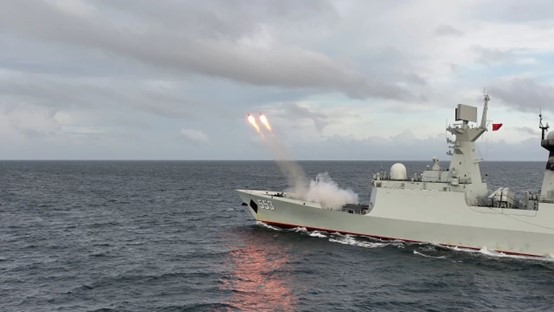
China’s Naval Projection Sends Important Signals Across the Indo Pacific
The Specter of a Broader Regional Maritime Conundrum Over Taiwan
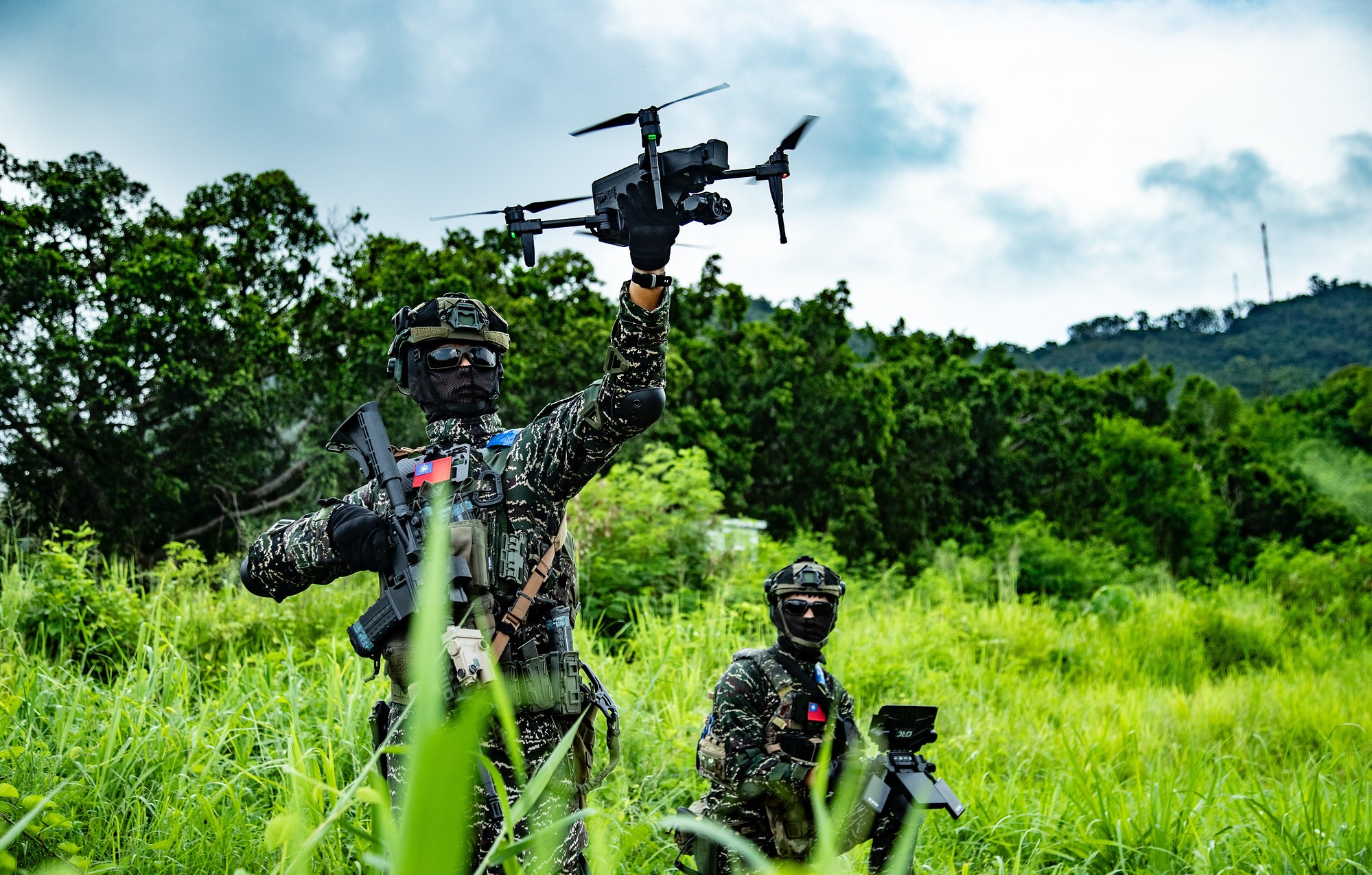
Taiwan’s Unmanned Systems Industry: Contributions to National Security and Future Development
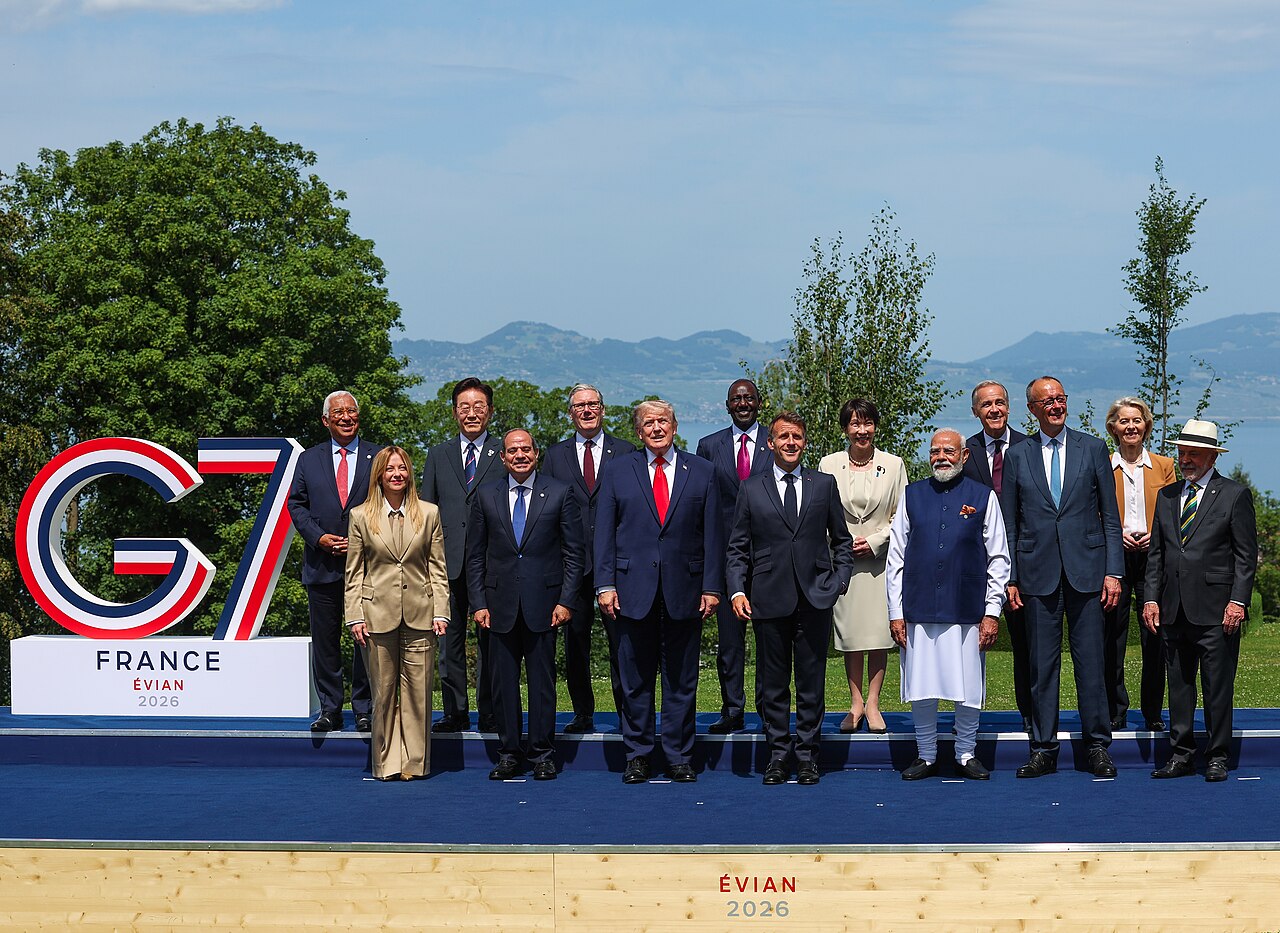
The G7 Leaders’ Summit in France: An Unexpected Success
Maritime Security in Southeast Asia: Still Business as Usual?
What Lessons Can Taiwan Take from the Situation in the Strait of Hormuz?
Washington’s China-Taiwan Annual Threat Assessment: More of the Same
Japan’s High-Stakes Snap Election and Japan’s Role in the Indo-Pacific

The Indo-Pacific and the U.S. National Defense Strategy: From Rebalancing to Retrenchment
 Facebook
  Youtube
  Twitter
  Podcast