

What Lessons Can Taiwan Take from the Situation in the Strait of Hormuz?


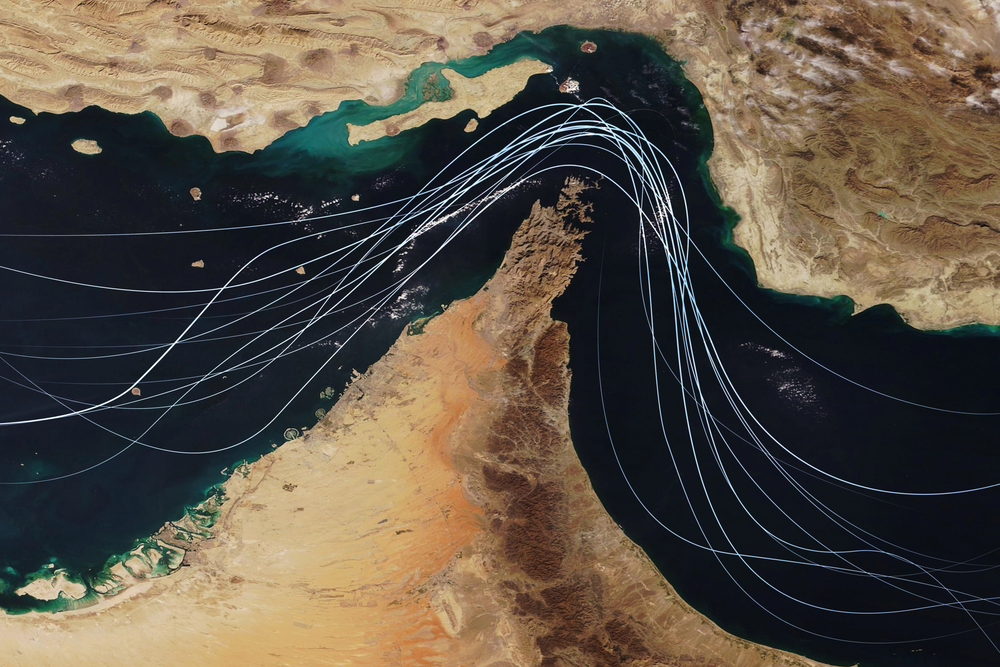
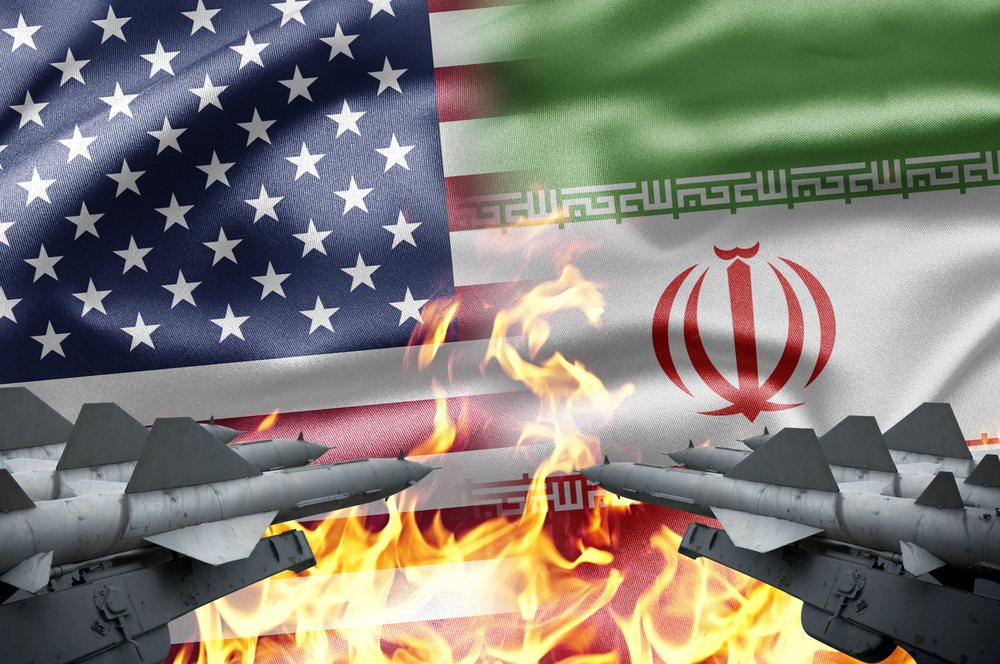
For Taipei, Washington, and their partners, transparency about China’s on-going military operations and growing gray zone threat helps lay the foundation for ensuring Beijing does not conclude that it could try to replicate Iran’s approach and hope to succeed in doing so. Picture source: Depositphotos.
Prospects & Perspectives No. 23
What Lessons Can Taiwan Take from the Situation in the Strait of Hormuz?
By Scott W. Harold
As the United States’ confrontation with Iran evolves into a competitive blockade over energy flows transiting the Strait of Hormuz, Indo-Pacific security analysts need to understand the key insights to draw from the war. Does it suggest that China could use a similar campaign to compel Taiwan’s unification? A holistic assessment may not be possible until the conflict is over, though People’s Liberation Army (PLA) analysts are surely already studying the operational lessons of the war in real time. For now, it is important to note that there are important similarities and differences between the Strait of Hormuz crisis and any possible clash with China in the Taiwan Strait, and that many of these suggest that China faces a more difficult challenge than Iran does, despite being a more capable actor. Breaking down the different situations by ends, ways, and means can help shed light on this point.
China’s ends are far more ambitious than Iran’s
Iran’s goal is to compel the United States and Israel to stop attacking it and, if possible, gain control over the Strait of Hormuz as a way to expand its influence and generate the revenue it will need to rebuild. By contrast, China’s endgame is even more expansive, namely the conquest of the nation and territory of Taiwan with its 23.5 million people, as well as control over one of the world’s most strategic waterways that sits astride trade routes to and from Northeast Asia at the center of the First Island Chain. In simple terms, Iran’s goal is to force its adversaries to end the war they started and possibly tax maritime traffic, while China’s goal is to expand its territory; subdue a foreign population; take over the world’s most important source of semiconductors; and position itself to enjoy a chokehold on one of the busiest and most geostrategically important sea lanes in the world connecting Japan, South Korea, and the Philippines with much of the rest of the international trading community.
In the long-run, the Islamic Republic may not survive if it does not succeed, whereas China can easily survive without Taiwan. Indeed, a government that controlled mainland China has only also held sway over Taiwan for only about 3.5 of the past 131 years. Nor does China need Taiwan’s economic output or natural resources to survive. A key theory of international relations borrowed from psychology, called Prospect Theory, suggests that actors will fight much harder to keep something they already have (such as survival) than to gain something they want (such as more territory). This suggests that, despite frequently presenting its willingness to absorb costs to gain control over Taiwan as virtually unlimited, China is in fact far more likely to be sensitive to risks of escalation and protraction than it has sought to portray itself as being.
China’s way is to create perceptions of will to fight, while Iran actually has it
Although China is the much more powerful actor than Iran, it also has far more at stake and much more to lose if it engages in a war over Taiwan. In the Strait of Hormuz conflict, Iran has relied on its portfolio of asymmetric weapons, deploying these against soft targets such as oil tankers as well as the critical infrastructure of its neighbors in an attempt to generate economic and political pressure on the United States to stop the war, an approach that has not yet succeeded. Apart from its military and largely degraded proxy forces in Palestine, Lebanon, and Yemen, Iran lacks other significant diplomatic, economic, technological or soft power tools to shape the evolution of the conflict.
By contrast, the People’s Republic of China (PRC) is in a phase where it prefers to “win without fighting” by pressuring Taiwan through political warfare and messaging foreign audiences to stay out using disinformation and narrative warfare targeting foreign publics, decisionmakers, and international society, the so-called “Three Warfares.” China targets audiences at home, in Taiwan, and in third countries with risible claims such as “Taiwan has been Chinese territory since time immemorial,” “Taiwan is indefensible,” and “China cares more about Taiwan than the United States does” in the hopes that it can achieve its goals by convincing its opponents to quit before a conflict even starts.
At the same time, recognizing that serious analysts and policymakers will likely not be convinced by such unconvincing claims, the PRC continues building up its paramilitary, conventional and nuclear forces and is working to exercise these jointly, as shown in the 2024 Joint Sword exercises.
Neither Iran nor China have the means to achieve their aims through force of arms
Operationally, the Strait of Hormuz crisis has highlighted the ability of even a relatively weak power like Iran to hold commercial shipping at risk and deny safe passage using a combination of paramilitary maritime forces, one-way attack drones, anti-ship cruise missiles, and naval mines. While the U.S. has not been able to definitively re-open the Strait, neither has the Iranian regime been able to control the Strait of Hormuz, as the U.S. Navy has been able to institute a counter-blockade preventing any ships leaving Iranian ports from exiting the Strait. The situation has developed into a competitive blockade, with the U.S. and its allies threatening escalation, and Iran’s leadership gambling that its actions can put so much political pressure on the United States that the U.S. will have to end its attacks on the Islamic Republic. In essence, the U.S. is attempting to leverage its superior military capabilities while Iran is seeking to trade on its belief in its superior will to fight and endure costs in a political-military and economic confrontation.
By contrast, China is entering its second decade of military reforms and build-up under Xi Jinping, and today, the PLA Navy, China Coast Guard, and People’s Armed Forces Maritime Militia represent the largest collective force of maritime platforms in the world, backed by land, air, space, cyber and nuclear forces. China could use these to blockade Taiwan (or conduct a Joint Firepower Strike against it; launch an amphibious invasion and airborne assault; or some combination thereof). Like Iran, the PRC has a deep magazine of UAVs, missiles, mines and other capabilities it could use to try to pressure Taiwan by blockading it. And China has sought to build up its own strategic petroleum reserves, construct overland pipelines to import oil and gas, and develop a “dual circulation” economic model that reduces its dependence on external actors while enhancing their reliance on the PRC.
Yet a blockade of Taiwan would be an act of war; it would take time to work; and it would be extremely costly and might be hard to enforce, especially if Taiwan and its partners chose to contest it vigorously. Furthermore, any Chinese effort to mine the Taiwan Strait or strike at commercial shipping transiting the Strait would undermine the core diplo-economic message China has been putting out in recent years, namely that Beijing is a “stabilizer” of the global trading system. And in response to any PRC blockade, the U.S. and its allies and partners might impose a counter-blockade on China’s own air and maritime transport, in addition to economic and diplomatic sanctions.
For its part, Taiwan has smartly sought to increase its military strength, improve the quality of its reserves, turn itself into a “resilient maritime state,” and enhance its ability to endure a PRC blockade by establishing a Whole of Society Defense Resilience Committee. These efforts will require time, resources, and more support from Taiwan’s opposition parties to be truly effective at blunting the threat of a PRC blockade, but they hold out genuine promise of success at an affordable cost.
Setting the conditions for deterrence and/or victory
Faced with a more resilient and capable Taiwan backed by the U.S. and its allies and partners, and despite all its bluster and build-up, China cannot hope to easily, confidently, and cheaply execute a blockade of Taiwan (and a blockade is likely the easiest of its military options). For Taipei, Washington, and their partners, transparency about China’s on-going military operations and growing gray zone threat helps lay the foundation for ensuring Beijing does not conclude that it could try to replicate Iran’s approach and hope to succeed in doing so; it also lays the predicate for mobilizing actors in Europe and the Indo-Pacific to message Xi not to engage in military adventurism and regional aggression.
(Scott W. Harold is a senior political scientist at RAND, and a professor of policy analysis at the RAND School of Public Policy.)
相關文章
Re-Establishing Deterrence in Taiwan’s Maritime Periphery Following the China-Indonesia Naval Exercise
A Strategic Culture Perspective on the U.S.-Iran Conflict and Its Implications for Taiwan
War in the Middle East and Taiwan’s Energy Diversification Needs
Washington’s China-Taiwan Annual Threat Assessment: More of the Same
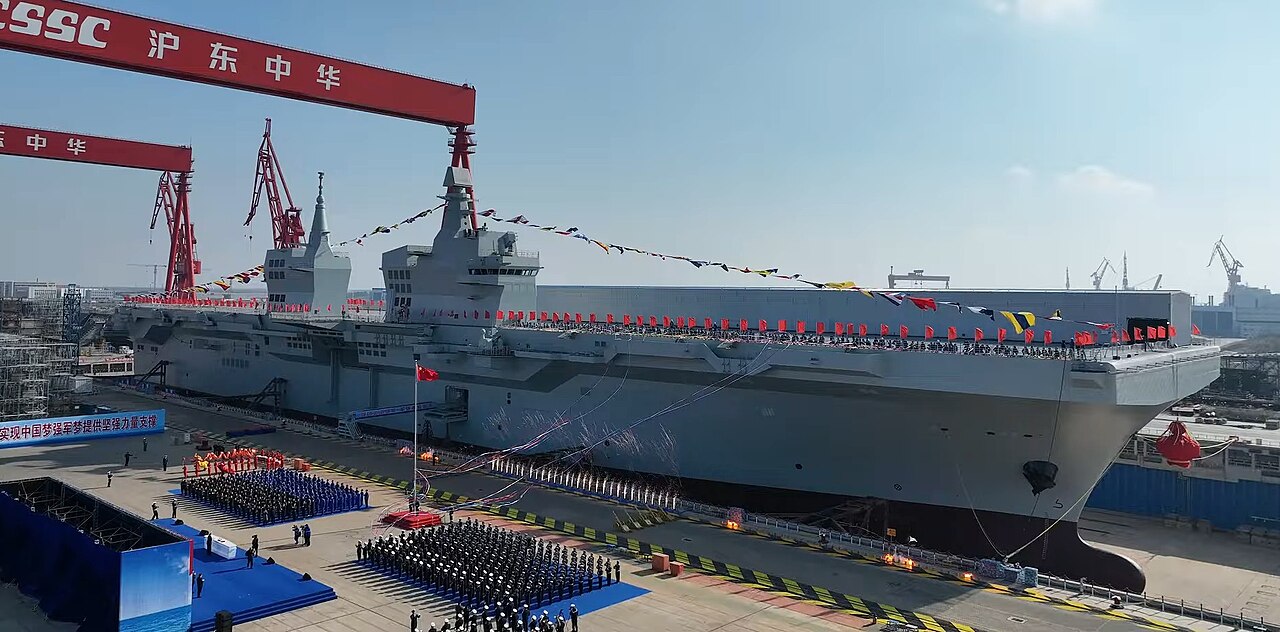
What Does the U.S. War Against Iran Mean for the Indo-Pacific?
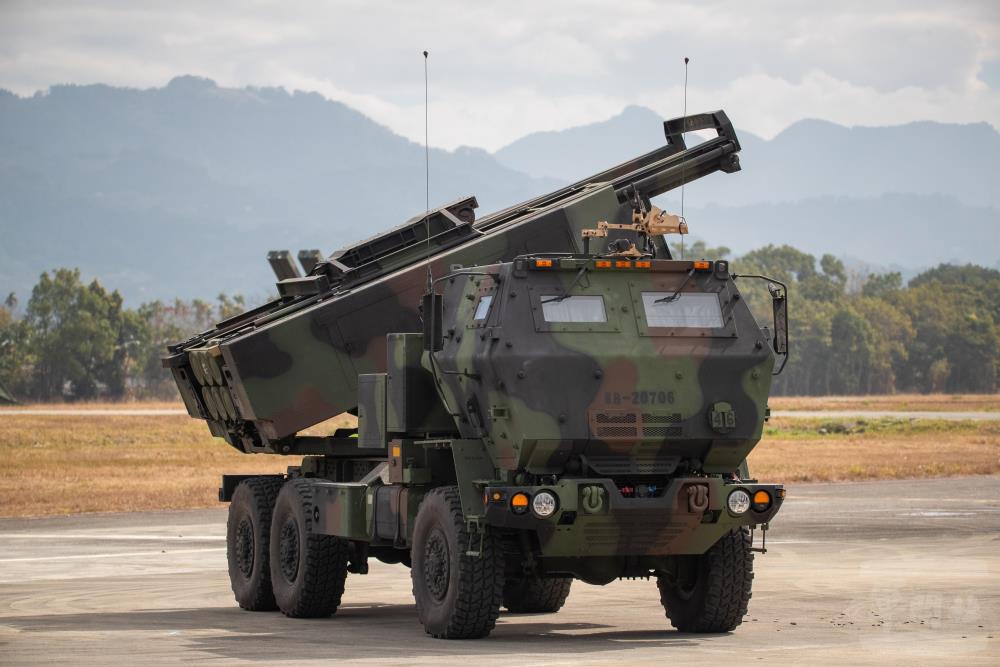
Feeding the Porcupine: The U.S. December 2025 Arms Sales to Taiwan
‘Tiger Head with a Snake Tail’: The PLA’s ‘2025 Justice Mission’ Exercise
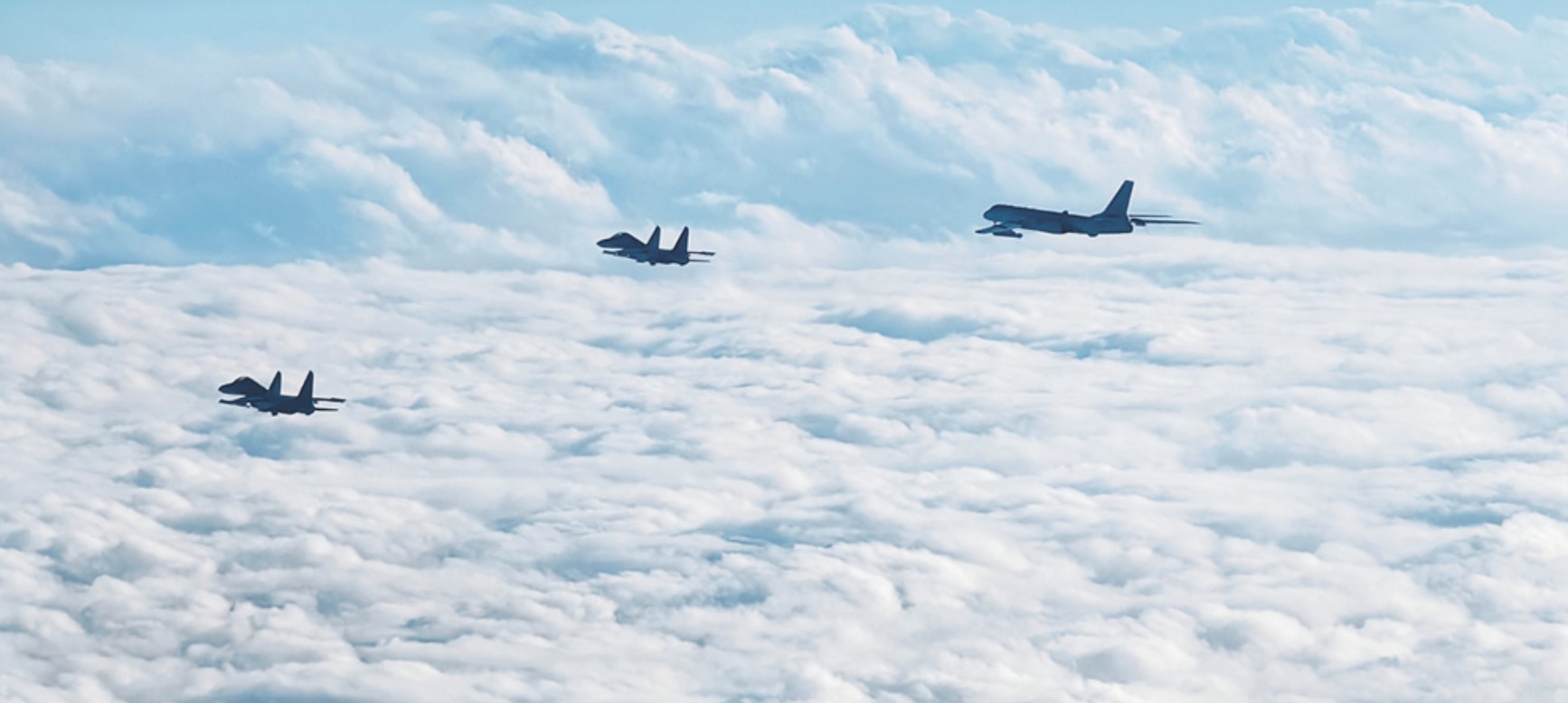
No Rain on This Parade: New Directions for China’s Military Thinking?
The Specter of a Broader Regional Maritime Conundrum Over Taiwan
China’s ‘New New Normal’ Military Exercises Against Taiwan and Their Implications
Lessons of Kursk Incursion for Taiwan
Early Lessons from Russia’s Invasion of Ukraine
 Facebook
  Youtube
  Twitter
  Podcast