

Strengthened Yet Threatened Relations: Taiwan’s Diplomatic Ties with Latin American Countries


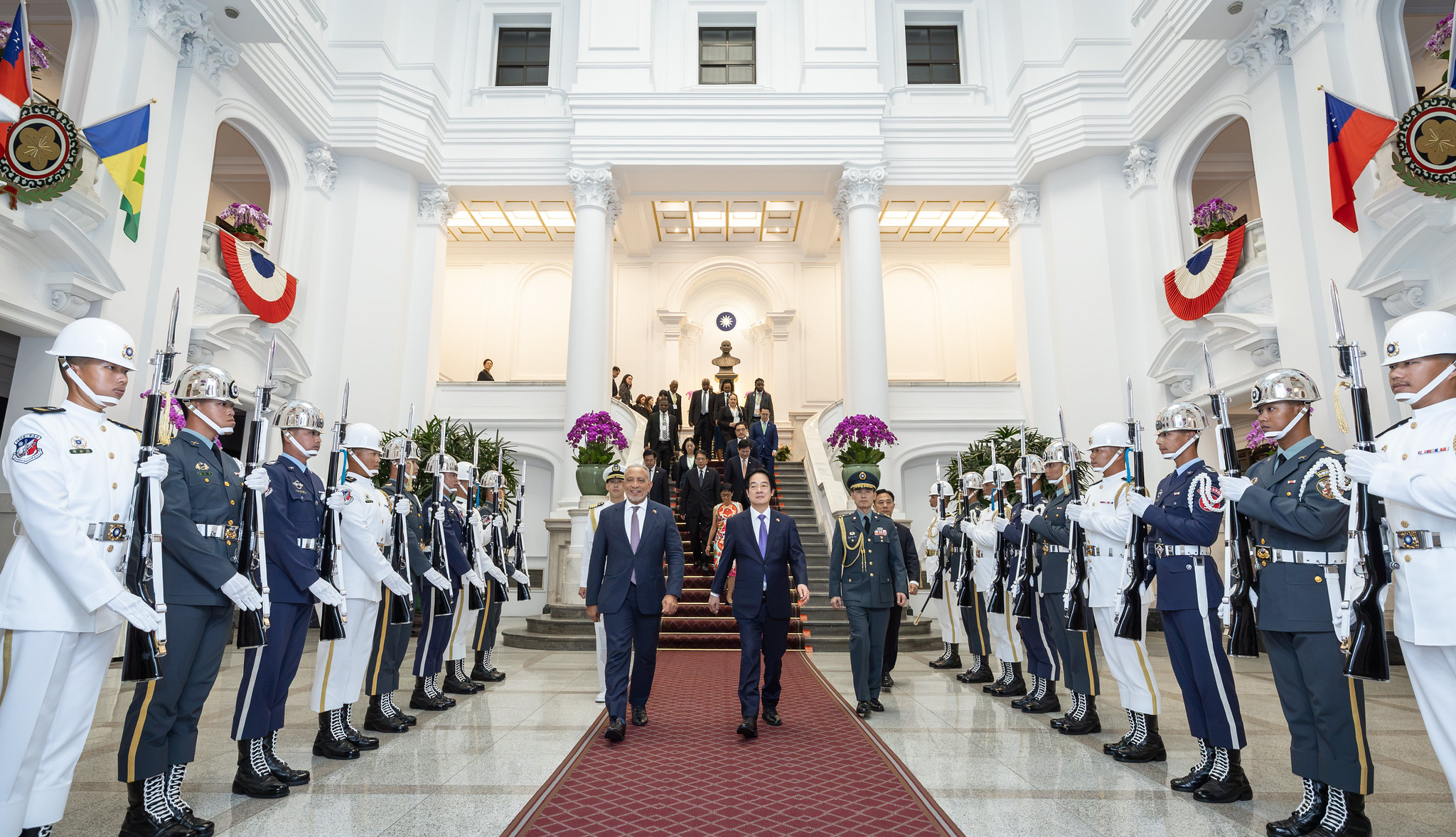
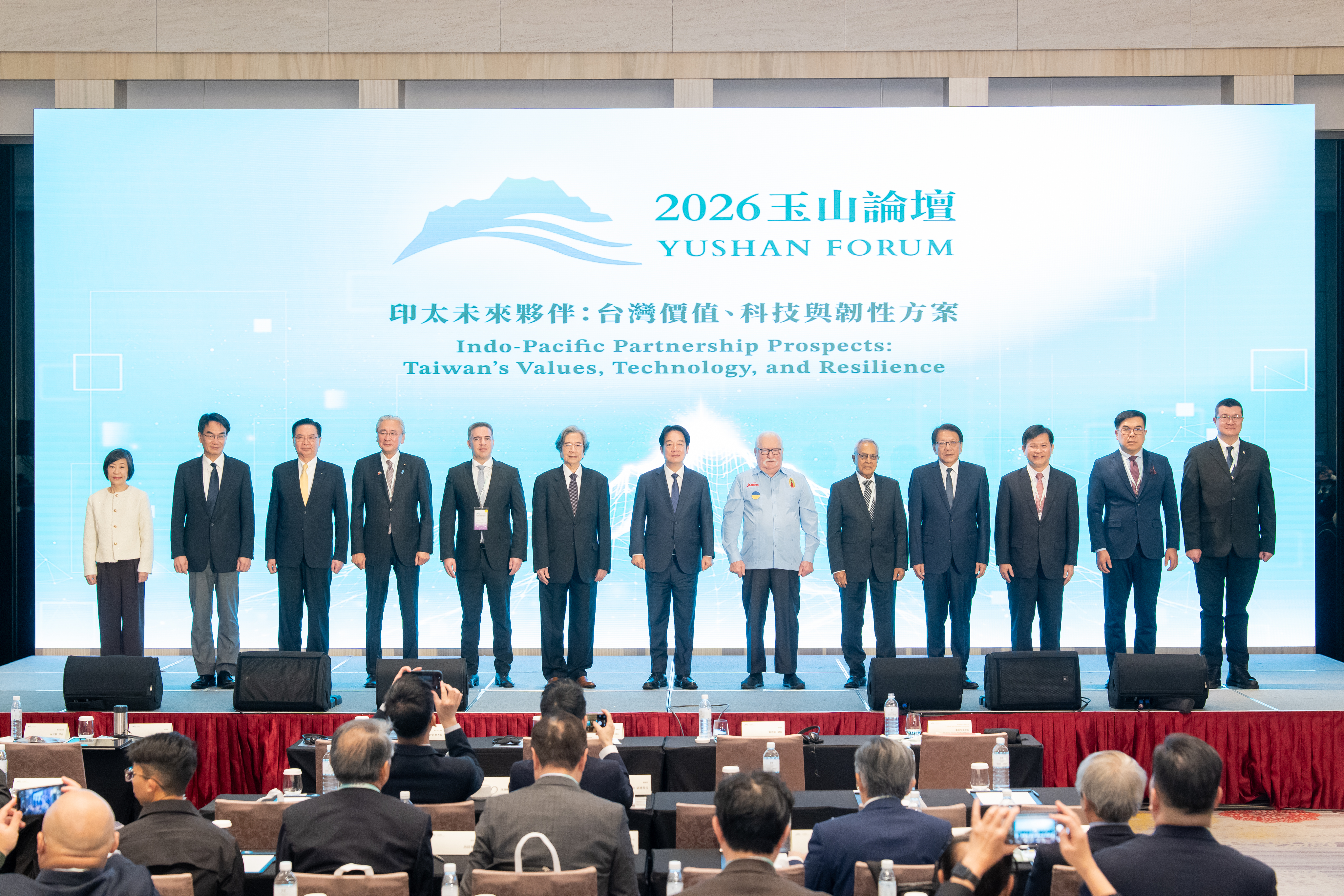
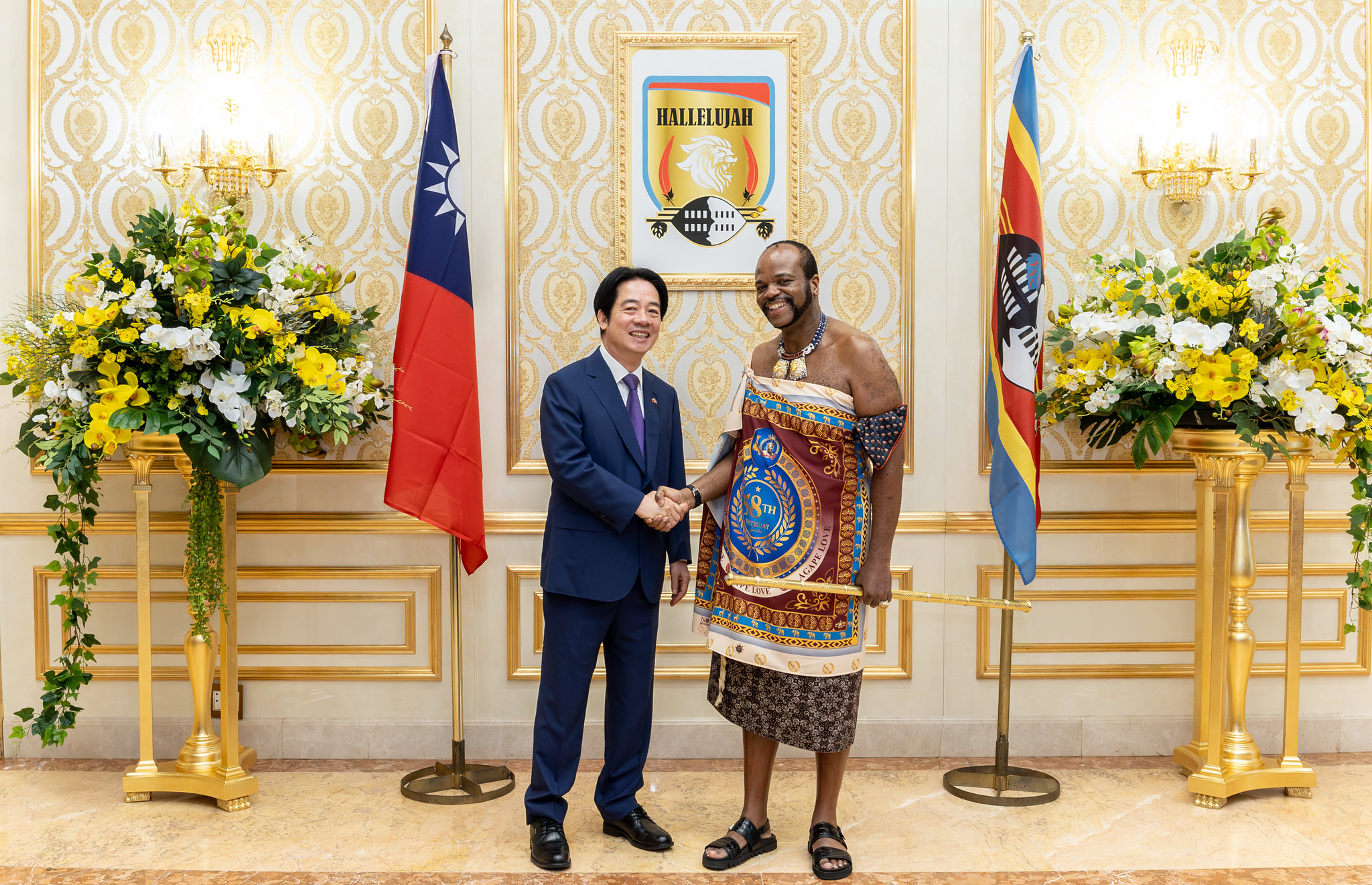
In the seven countries in the Americas still holding ROC embassies, Taiwan has established itself as a reliable partner and generous donor supporting their economic development. This stands in contrast to China, which provides copious amounts of economic assistance that can create insurmountable debt and dependent relationships. Picture source: Office of Taiwan President, August 11, 2026, https://www.flickr.com/photos/presidentialoffice/55457013613.
Prospects & Perspectives No. 46
Strengthened Yet Threatened Relations: Taiwan’s Diplomatic Ties with Latin American Countries
By Henry Large
The Americas have long been a diplomatic bastion for Taiwan. In the 1960s, all Latin American countries (except Cuba) voted for the Republic of China (ROC) to stay in the United Nations (UN). In the following decades, when European, African, Asian, and South American states switched diplomatic recognition from the ROC to the People’s Republic of China (PRC) in droves, Central American and Caribbean nations maintained their decades-long diplomatic ties with the ROC. Presently, seven of the twelve countries still recognizing Taiwan are located in the Western Hemisphere.
These diplomatic allies—Guatemala, Belize, Paraguay, Haiti, St. Lucia, St. Vincent and the Grenadines, and St. Kitts and Nevis—significantly bolster Taiwan’s fight against Beijing’s coercive diplomacy. They speak in support of Taiwan at the UN General Assembly, they lobby for its entry to multilateral organizations, and they have long enabled “stopover” visits, in which Taiwan’s presidents meet with influential political figures in U.S. territory en route to Central American and Caribbean allies. Their status, however, is threatened as Beijing actively pressures these nations to flip their recognition as part of its “unification” agenda.
This article analyzes the nature of these relations and Beijing’s efforts to undermine them, offering policy-relevant insights.
Strengthened through proactive diplomacy
In the seven countries in the Americas still holding ROC embassies, Taiwan has established itself as a reliable partner and generous donor supporting their economic development.
In contrast to Beijing, which provides copious amounts of economic assistance that can create insurmountable debt and dependent relationships, Taipei provides targeted, specialized assistance to specific sectors needing support. Through the International Cooperation and Development Fund (ICDF), the Taiwanese government provides hundreds of millions of dollars in assistance. ICDF-funded projects span infrastructure development, healthcare improvement, agricultural technology, and natural disaster response preparation.
Taipei’s economic engagement is not just financial, but also commercial. Despite great geographic distance, Taiwan has become the third largest market for Guatemalan coffee, and the largest and second largest consumer of Paraguayan pork and beef, respectively. Facilitated by trade agreements, these commercial relationships enable Taiwan to grow these countries’ economies, which largely depend on agricultural exports. New agreements in the past year to import Belizean shrimp and Paraguayan chicken represent diplomatic achievements, cementing bilateral relations with trade links that outlast political transitions. Many such agreements have occurred during the numerous state visits of these countries’ leaders to Taipei, including Paraguay’s president, Guatemala’s foreign minister, and St. Vincent and the Grenadines’ prime minister all visiting since May.
Taiwan also significantly develops human capital in these countries. Several hundred undergraduate, graduate, and doctoral students from Taiwan’s diplomatic allies complete university degrees on MOFA-provided scholarships every year. These students access world-class educational opportunities, creating appreciation in their home countries and among these students, who as future business and political leaders offer opportunities to create multi-decade people-to-people ties between Taiwan and its allies.
Notably, Taipei’s diplomatic outreach are not limited to formal allies. In 2025, parliamentary delegations from Colombia and Panama visited Taipei, where they met with Foreign Minister Lin Chia-lung and pledged to deepen bilateral commercial and cultural ties. Strengthening these links further, Taiwan maintains representative offices in Mexico, Brazil, Argentina, Chile, Peru, Ecuador, and Colombia.
Proactive efforts by the PRC
As strengthened as they may be, Taiwan’s formal relations are not set in stone and are constantly challenged by Beijing. It is worth noting that in 2017, six of seven Central American nations recognized the ROC, but Guatemala and Belize are now Taipei’s sole remaining allies in that region. In Costa Rica, Panama, the Dominican Republic, El Salvador, Nicaragua, and Honduras, Beijing has wooed political leaders to ditch their multi-decade ties with the ROC, offering in exchange bountiful gifts in the form of soccer stadiums, infrastructure projects, and multi-million-dollar cooperation funds.
Beijing is attempting to do the same in Taiwan’s remaining allies, using both carrots and sticks. In April 2024, days after Guatemala’s president held a videoconference with President Lai Ching-te, Beijing rejected Guatemalan coffee and macadamia shipments in Chinese ports. In December that year, Paraguay’s government expelled a Chinese envoy sent to convince opposition lawmakers to lobby for PRC recognition. Since, Beijing has gifted lavish all-expenses-paid visits to dozens of journalists and politicians from Taiwan’s allied countries, who often upon returning from China publicly endorse breaking with Taiwan to recognize the PRC.
Countervailing efforts
Countering this threat requires using the same tactics: establishing people-to-people ties with those holding public platforms. These individuals can tell a large audience how beneficial it is to maintain ties with Taiwan as a likeminded democracy and generous partner. Moreover, with globally-destabilizing warfare in Eastern Europe and the Middle East, exposing China’s military actions in the South China Sea and Taiwan Strait resonates globally and deepens support for Taiwan at an existential moment. And this message can be delivered across all influential platforms. Op-eds, television appearances, social media posts, and, especially, reels and interviews with influencers offer ample opportunities to reach the widest audience possible in today’s age of information technology.
And the greatest threat remains political transitions. Historically, Taiwan-to-China diplomatic flips have almost always occurred within one year of a new government taking power, usually (but not always) a left-of-center government making the argument that having diplomatic relations with China offers more benefits than with Taiwan. In Paraguay’s last election, the leading opposition candidate pledged to recognize China for this reason. Had he won, Taiwan could very well have eleven, not twelve, diplomatic allies today.
The case of Honduras—the last Latin American country to switch—demonstrates that preserving existing relations is easier than attempting to restore severed ones. The Central American country’s left-wing president switched in 2023, and then multiple presidential candidates pledged to restore relations with Taiwan when campaigning in 2025, pointing to low transparency and poor economic results from the switch. The current president, however, has not delivered on this campaign pledge since taking office in January, with his foreign minister explaining in July that Honduras needed to be pragmatic and acknowledge China’s weight as a global power. Moreover, as beneficial as it would be to increase the number of its formal allies, doing so would certainly require massive investments to convince the country to maintain recognition, which could all go to waste if a future president switches back to China. No Latin American country has switched back to Taiwan since St. Lucia in 2007.
Taiwan’s two largest diplomatic allies, Guatemala and Paraguay, have presidential elections in 2027 and 2028, respectively, and it is likely that candidates will run on platforms pledging to recognize the PRC. To minimize this risk, Taiwan’s government and supporters cannot be complacent. They must make efforts to increase Taiwan’s soft power and develop positive relations across all, not just incumbent, political sectors. Doing so can ensure that the electoral winners, whatever their political party or orientation, believe that maintaining their countries’ longstanding relations with Taiwan is the most beneficial policy for the citizens they represent.
(Henry Large is an advisor for Pan-American Strategic Advisors and a doctoral candidate in Latin American Studies at the University of Oxford, where he researches Sino-Latin American relations as a Rhodes Scholar.)
相關文章
The Core Aim of China’s Threat to Taiwan is the Attempt to Move From a Land to Sea Power
Taiwan Enters a New Age: Continuity and Change
Taiwan’s Presidential Elections: More Continuity than Change in Taiwan’s Relations with the World
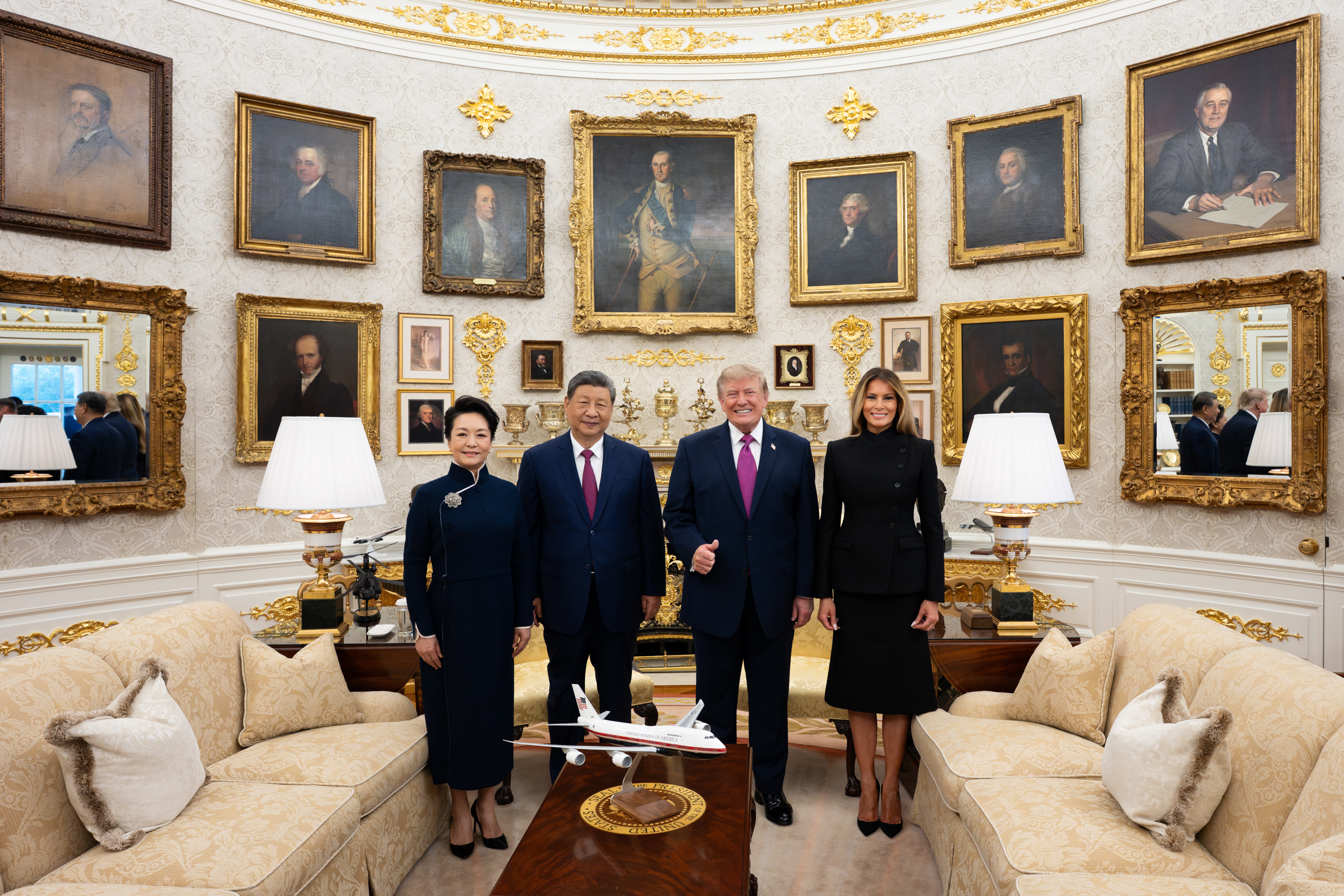
After Two Trump-Xi Summits: Competing Within Limits
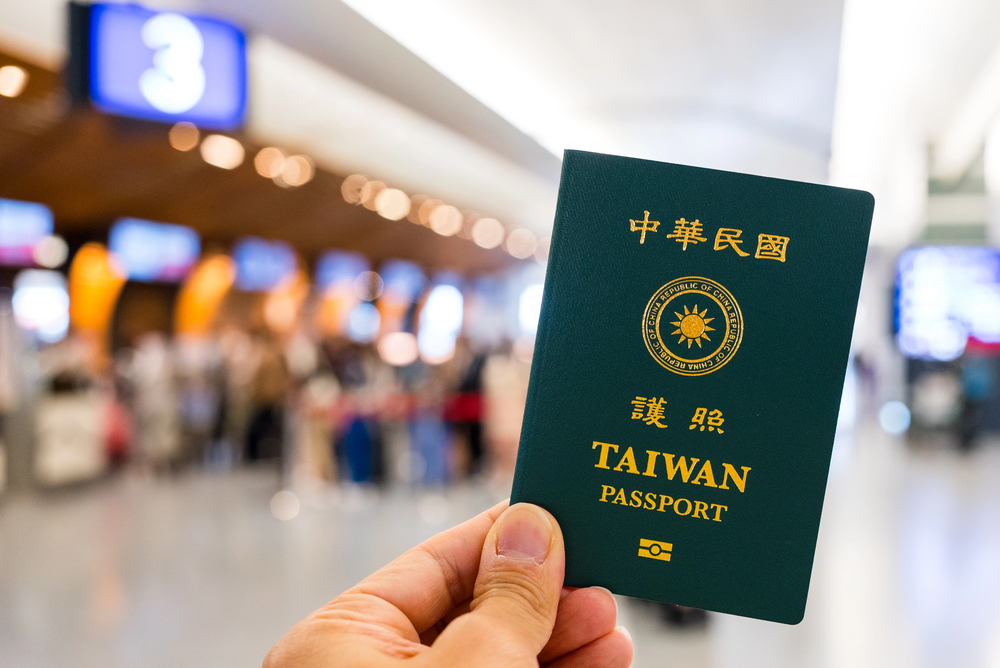
Beijing’s Intensifying Pressure on Taiwan’s Passport and Consular Affairs
Strategizing the New Southbound Policy: A Fruitful Journey of a Decade
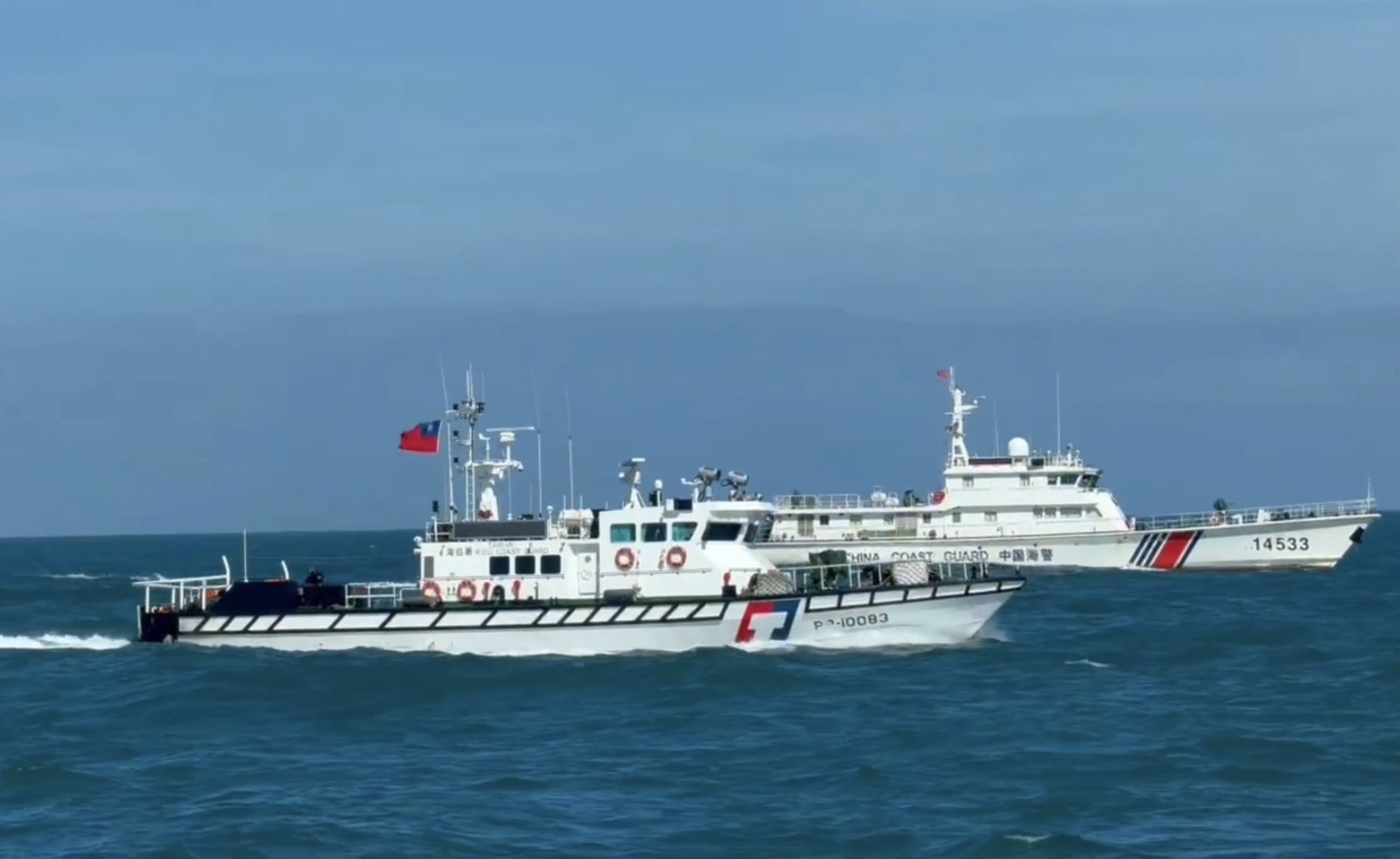
What If the Quarantine of Taiwan Has Already Begun?
Airspace Weaponization, China’s Lawfare, and the Limits of International Law
PM Carney’s Bold New Vision: The Good and the Bad
A Geopolitical Inflection Point: The Deeper Implications of the U.S.-Taiwan Reciprocal Tariff Agreement for Bilateral Relations
Feeding the Porcupine: The U.S. December 2025 Arms Sales to Taiwan
‘Tiger Head with a Snake Tail’: The PLA’s ‘2025 Justice Mission’ Exercise
 Facebook
  Youtube
  Twitter
  Podcast