

The U.S.–Iran War and Its Impact on the Security Situation in the Middle East


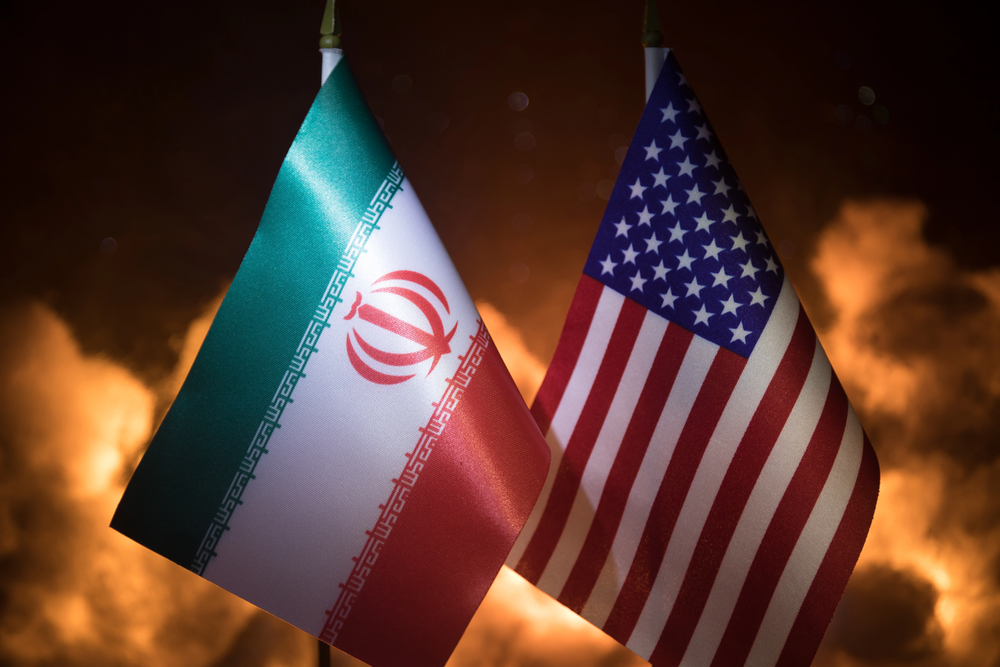
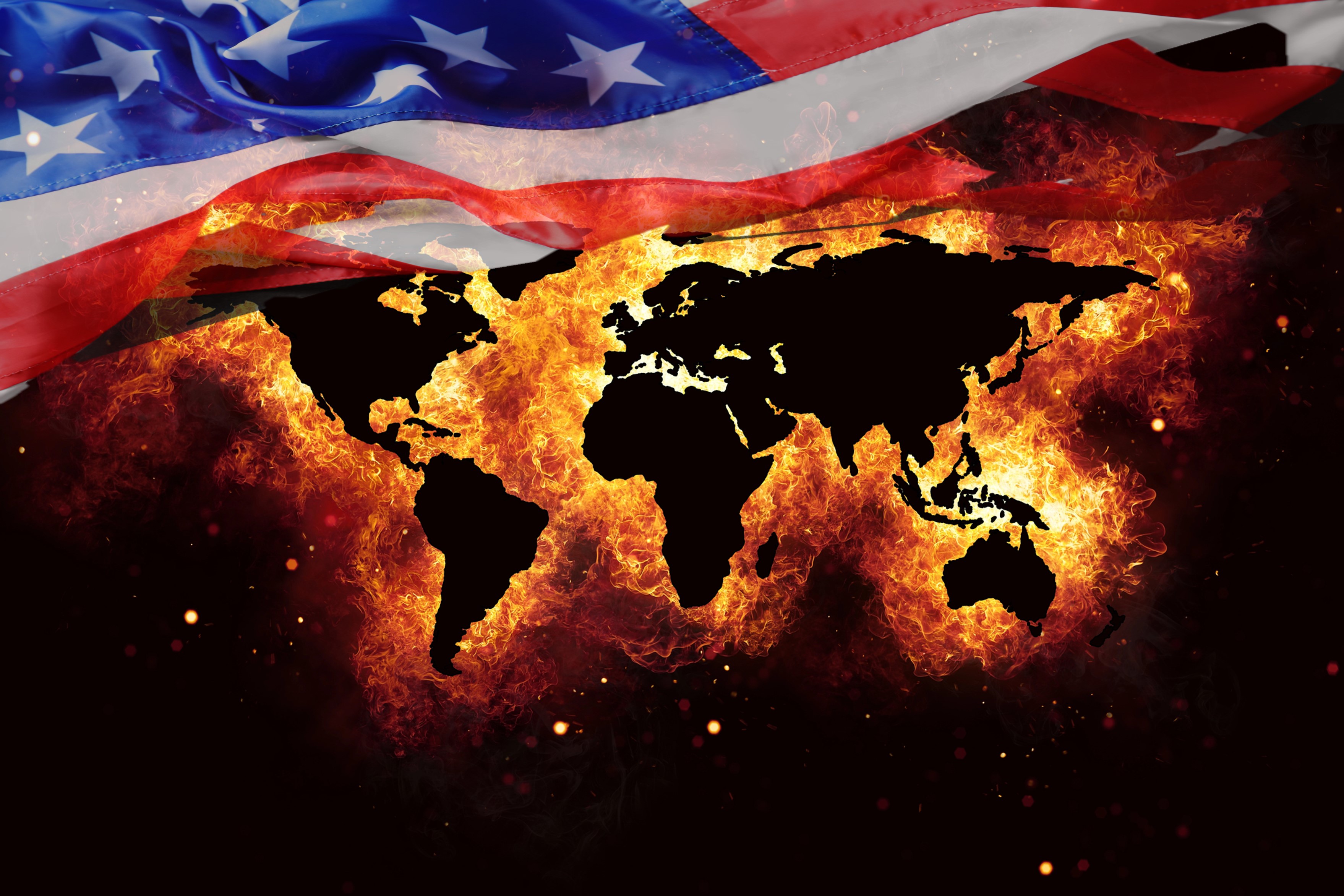
Neither the United States nor Iran believes it lost the war, and both sides have little political room for compromise. Any concession during the negotiations would be perceived domestically as an admission of defeat. Although the two countries have signed a Memorandum of Understanding, Iran has continued to conduct limited military operations against maritime targets, while the U.S. military launched airstrikes against missile and drone bases inside Iran in retaliation. Picture source: Depositphotos.
Prospects & Perspectives No. 37
The U.S.–Iran War and Its Impact on the Security Situation in the Middle East
By Ming-yuan Hu
For decades, the United States has created a secure environment for the Middle East, helping regional states establish political and military power systems. Through its close partnerships with major oil-producing countries such as Saudi Arabia and the United Arab Emirates, Washington also helped construct the oil–dollar financial system under the Organization of the Petroleum Exporting Countries (OPEC), thereby exerting considerable influence over energy production and the distribution of economic benefits among oil-exporting states. However, the war launched by the United States and Israel against Iran in February 2026 has raised doubts among regional states regarding both U.S. military capabilities and its credibility as a regional leader. As a result, the Middle East has entered a period of heightened uncertainty and instability, with the existing regional order facing increasing challenges.
Limited U.S. success
Since the outbreak of the U.S.–Iran war, the United States has been unable to force Iran to submit. Instead, U.S. military installations across the region have become targets of Iranian retaliatory attacks. The outcome of the war has exceeded the expectations of many Middle Eastern countries and has surprised the international community, as the U.S. military has proven to be less dominant than widely perceived. More importantly, Iran has refused to acknowledge defeat and instead claims to have achieved victory. Combined with Iran’s control of the Strait of Hormuz, which has triggered a global energy crisis and fueled persistent inflationary pressures, the United States has been compelled to enter peace negotiations with Iran.
In mid-June 2026, the United States and Iran signed a Memorandum of Understanding (MOU) establishing a 60-day framework for ceasefire negotiations. The agreement calls for an end to large-scale military operations, the restoration of normal navigation through the Strait of Hormuz, and the conclusion of a final peace agreement within 60 days. However, the most sensitive issues — including Iran’s nuclear program, the lifting of economic sanctions, the release of frozen Iranian assets, and future security arrangements — remain major obstacles to a comprehensive peace settlement, reflecting the profound gap between the United States and Iran in their respective security perceptions.
Neither the United States nor Iran believes it lost the war, and both sides have little political room for compromise. Any concession during the negotiations would be perceived domestically as an admission of defeat. Although the two countries have signed a Memorandum of Understanding, military friction has persisted throughout the ceasefire period. Iran has continued to conduct limited military operations against maritime targets, while the U.S. military launched airstrikes against missile and drone bases inside Iran in retaliation. Each side has accused the other of violating the terms of the agreement, yet both remain committed to pursuing a more durable peace settlement. (As this article goes to print, both sides appear to have given up on the ceasefire and hostilities have resumed.)
In reality, substantial differences remain over the core issues, including the future of Iran’s uranium enrichment program, the scope and sequencing of sanctions relief, the long-term governance of maritime navigation, and regional security arrangements. These profound disagreements have prevented the parties from reaching a comprehensive peace agreement. Consequently, the MOU should be regarded as a fragile ceasefire agreement — or, more accurately, a ceasefire framework rather than a final peace treaty.
Middle Eastern countries pursue strategic autonomy
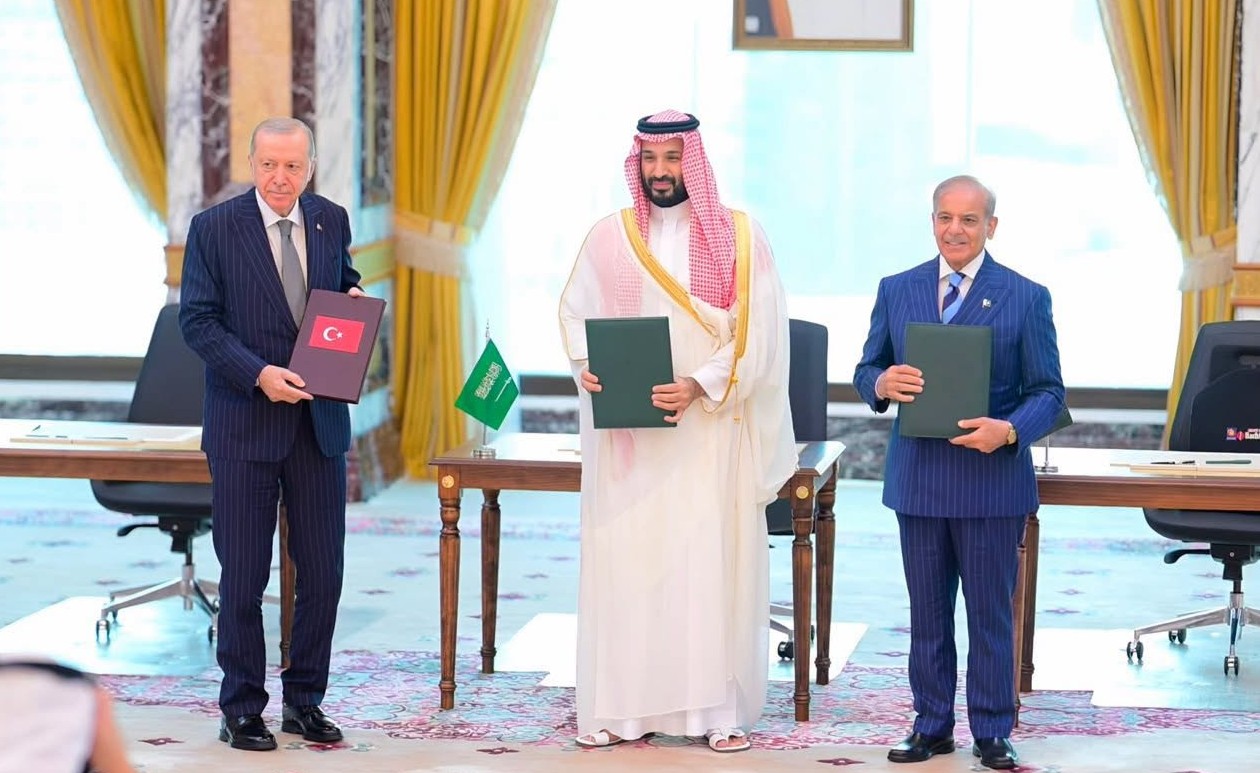
From the U.S. perspective, the damage this campaign inflicted on the United States was that its security commitments to its allies were called into question. Security guarantees derive much of their value from credibility; once a major power is no longer perceived as capable of upholding its commitments, the confidence of its allies may rapidly deteriorate, increasing the risk of alliance fragmentation. Against this backdrop, Saudi Arabia invoked the Saudi–Pakistan Mutual Defense Treaty following the war, allowing Pakistani Air Force units and air defense missile forces to deploy in northern Saudi Arabia. The Saudi–Pakistani military alignment symbolizes the Kingdom's pursuit of strategic autonomy; the United States should strengthen security cooperation with Saudi Arabia, or else the alliance will continue to face instability.
In addition, the United Arab Emirates (UAE) withdrew from OPEC prior to the U.S.–Iran negotiations, undermining the appearance of regional unity and cooperation. For a long time, the UAE’s political stance had been closely aligned with that of Saudi Arabia, both serving as pro-American and pro-Israeli partners. Consequently, during the conflict, the UAE became one of the primary targets of Iranian attacks and arguably suffered the most severe damage among the regional states.
The UAE’s decision to leave OPEC indirectly weakened U.S. influence over the organization. Looking ahead, the increasing autonomy of Middle Eastern oil-producing states in determining their energy production and export policies is likely to influence global energy prices. The United States must remain vigilant regarding the potential domino effects arising from these developments in order to safeguard the stability of the global energy supply.
Impact on the regional balance of power
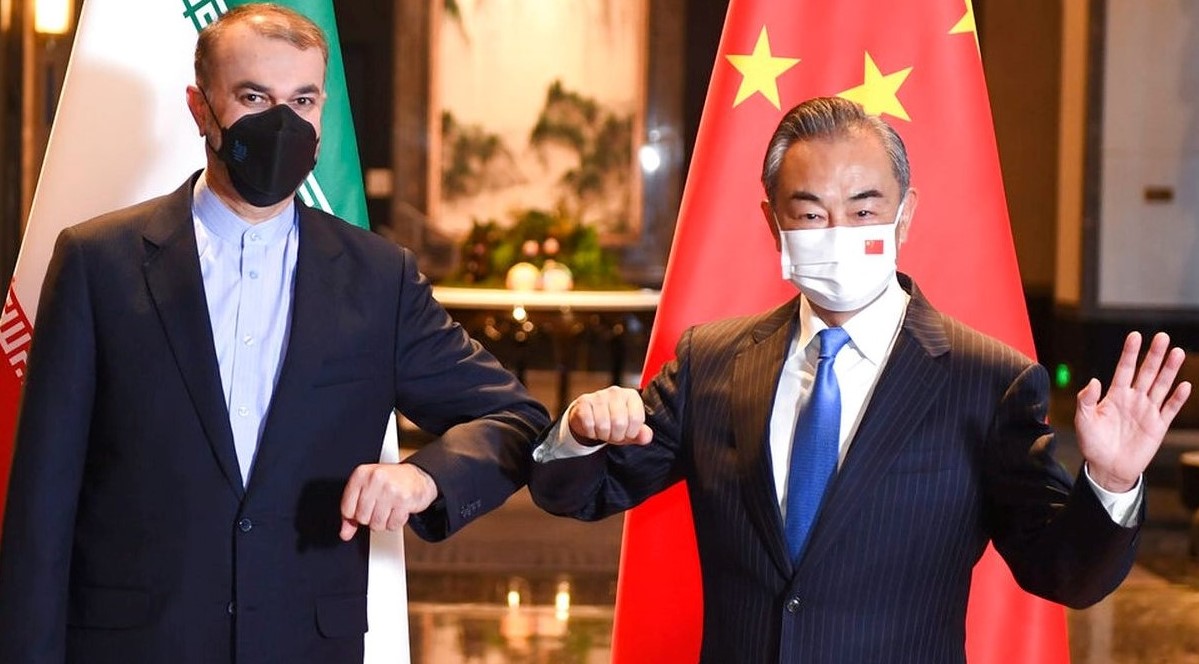
The balance of power in the Middle East will face challenges. Due to the fact that regional security remains closely tied to the presence and capabilities of U.S. military forces, the emerging great power, China, has largely refrained from direct involvement in regional conflicts under the principle of non-interference in the internal affairs of other states. Nevertheless, Gulf states, driven by the dual imperatives of security and economic development, have quietly established new networks of financial and economic cooperation with China. The aforementioned countries seek to reduce their reliance on a single security partner by strengthening cooperation with a broader range of states, thereby enhancing their security assurances and expanding their room for strategic autonomy. The result will be an intensification of strategic competition between the United States and China in the Middle East.
It is also important to note that Iran, as the leader of the Shiite-led “Axis of Resistance,” continues to face deep-rooted sectarian tensions and historical animosities with many Sunni-majority states. In the absence of a global great power capable of providing a credible security umbrella, or of robust international rules and security institutions capable of maintaining regional stability, the likelihood of future conflicts or even large-scale wars in the Middle East remains relatively high. This development warrants close observation and continued attention.
(Ming-yuan Hu is Associate Professor-level Professional Technician, Graduate Institute of Strategic Studies, National Defense University.)
相關文章
The Mecca Joint Defense Agreement and the Changing Security Landscape of the Middle East
The U.S.–Iran War, Rising Energy Prices and the International Political and Economic Landscape
What Does the U.S. War Against Iran Mean for the Indo-Pacific?
The Impact of the Israel-Hamas Ceasefire on Taiwan

Syria as a Geopolitical Turning Point
The Eternal Pivot
Is China’s Strategy in the Middle East Succeeding?
Gaza-Israel Conflict: What Impact on China’s Regional Role?
Regional Implications of China-Iran Strategic Ties
 Facebook
  Youtube
  Twitter
  Podcast